Friday, 12 February 2021

Chapped winter hands: Is it dry skin or something else?

From today.com

When your skin is in rough shape, it can be a challenge to determine whether your hands are seriously chapped or need a dermatologist

Winter can be brutal on exposed skin — the cold, dry air zaps your skin of moisture. Add wild winds, damp cold rain or snow, and dry indoor heat to the equation, and exposed skin can develop dry, itchy, scaly patches and chap to the point of cracking, peeling and bleeding — all also symptoms of chronic skin conditions like eczema and psoriasis.

Cold, brutal, wet weather can strip the skin's protective barrier and further aggravate sensitive skin and skin conditions — and it doesn’t help that our hands are being stripped of moisture by constant hand-washing and the alcohol content in the hand sanitizers we use to protect ourselves against COVID-19.

When your skin is in rough shape, it can be a challenge to determine whether your issue is seriously chapped hands or something else, even for dermatologists like Samer Jaber, MD, founder of Washington Square Dermatology in New York City.

“Dry, cracked, winter hands and hand eczema can look very similar,” Jaber explained. “The difference is the cause. Dry, winter hands are due to winter dryness. Eczema is a genetic condition. Dry, cracked winter hands are a type of dermatitis.”

Both Jaber and Rosemarie Ingleton, MD, founder of Ingleton Dermatology in New York City, told TODAY Health that dermatitis is a term used interchangeably within the dermatology community to describe what happens when inflammatory cells rush into an area of the skin, causing inflammation.

“The way it manifests is you see more redness and a bit of swelling,” Ingleton explained. “You see a lot of flaking. You could see cracks.” She said this level of redness, which can be difficult to discern sometimes with darker skin, is a sign your skin needs help, stat.

Is it dry skin or a more serious skin condition?

Skin conditions, like eczema and psoriasis, involve your immune system. According to the National Institute of Allergies and Infectious Diseases, eczema, or atopic dermatitis, is an inflammatory skin condition that often affects children and adolescents, and can reoccur later in life. Thought to be connected to the immune system, people with eczema can also be susceptible to bacterial, viral and fungal skin infections. Jaber describes the symptoms of eczema as rough, inflamed, irritated and itchy skin. “You can also have scaling, cracks or blisters and it can hurt when washing your hands. In severe cases, the fissures can bleed or ooze,” he said.

Ingleton said that people with childhood eczema can have it over various periods in their lives, so dermatologists take a patient’s history into account when determining whether or not their painful skin issue is eczema. “They're going to be more susceptible to hand eczema later on,” she explained.

The National Psoriasis Foundation describes psoriasis as an immune-mediated disease characterized by plaques, or scales, on the skin, caused by an “overactive immune system that speeds up skin cell growth.” Normal skin cells shed within a month, but with psoriasis, this happens in three-to-four days. The cells don’t shed but pile up into “plaques” that itch, burn and sting. These plaques are most commonly found on the elbows, knees and scalp.

“Psoriasis looks a bit different than eczema in that the rash is much thicker and tends to have a thick white coat on the outside, almost a helmet of dry white skin, and is a bit thicker in its appearance,” said Ingleton. “It tends to be over the knuckles, as opposed to being over the back of the hand. It can be on the palms. You have some clues that somebody has psoriasis because you can look at their scalp, their elbows and knees and see it, so it makes sense that they have on their hands as well.”

When to see a dermatologist

How can we tell if we have severely dry, cracked, winter skin or a condition that might require the help of a dermatologist?

Whether you’re having a bout of eczema or your hands are just beat up, Jaber said the first line of defence is to moisturize, moisturize, moisturize. Ingleton explained that if your dry, cracked skin doesn’t respond to repeat applications of thick, rich moisturizers over the span of three-to-four days, you should consider visiting a dermatologist to determine the culprit.

“If you're not getting a response, there's probably dermatitis or eczema going on. There could even be an infection that would require more than just moisturizer. You would need some kind of prescription grade anti-inflammatory product, or an antibiotic if there's an infection,” she said.

https://www.today.com/health/chapped-winter-hands-it-dry-skin-or-something-else-t208822

Thursday, 11 February 2021

How I Overcame The Trauma Of Growing Up With A Painful Chronic Condition

From womenshealthmag.com

“Looking back, I realize I lived in fear.”

When I was 7, I had a bad case of chickenpox—and by bad, I mean really bad. I developed scars associated with the virus which then morphed into thick patches of dry skin that covered 90 percent of my body. My parents weren’t sure what was going on so they took me to the doctor. I was told that having chickenpox had triggered psoriasis, a skin disease that causes dark, itchy scaly patches.

I was prescribed various ointments, creams, and lotions to try to get it under control but they didn’t work. The more intense treatments weren’t approved for kids, so I just had to put up with it, which was painful, and at times embarrassing. By the 5th grade, I was trying to conceal my lesions with clothes, or lying, saying I had allergic reactions or eczema. I also began to avoid anything that required me to show my skin, like going to the pool. I wore long sleeves and pants, even in hot weather.

Once I was a bit older and could experiment with additional remedies, I saw numerous doctors and tried what feels like almost every treatment and lifestyle change, but nothing worked. I even did occlusion therapy, an old school treatment where you get slathered down in topical ointment from head-to-toe, placed in wet pyjamas, and then put into a plastic sweatsuit. I sat in this suit for 8 hours a day, for three to four weeks at a time. It was torture—and it never garnered significant results.

Around the same time, I also started to experience joint pain in my knees. At the time, I didn’t think this was related to my psoriasis. It would get especially painful when the weather was cold, to the point that daily activities were difficult and I had to stop working out. The pain eventually lead to a new diagnosis: psoriatic arthritis (PsA), a form of arthritis that affects some people who have psoriasis.

And that is when things started to get better. My doctor started me on a biologic, a type of prescription medication that works to slow or stop joint damage associated with PsA and can also help with psoriasis lesions. The medication helped to ease my joint pain and also made a major difference in my skin. Currently, I’m only about 20 percent covered in psoriasis, a huge improvement from where I was before.

Overcoming the emotional toll of psoriasis

Looking back, I realize I lived a lot in fear. I often wonder what my path in life would have been had I not allowed my condition to impact me in a negative way.

I overcame my struggles with psoriasis and PsA in a variety of ways. First, I found a support group in 2011 called Talk Psoriasis. For the first time, I met others living with the disease, which helped me to cope emotionally. I also reached out to the National Psoriasis Foundation, where I received appropriate resources and was given a platform to tell my story on their podcast called Psound Bytes.

In 2013 I received their Psoriasis Innovator award for my work raising awareness about psoriasis, which also led me to advocate about psoriasis research in Congress. Around the same time, I also started a blog. It helped me immensely to write out what I had bottled up inside. All these things worked simultaneously to help me heal the emotional pain associated with my condition.

Going forward, I hope to continue to bring a better understanding to the medical community about the impact of psoriasis and PsA, especially the mental health aspect, which is often missed by health professionals.

I also want to help bridge the gap between African Americans and participation in clinical trials so we can receive better treatments. Minorities aren’t well represented in psoriasis research. So compared to Caucasian groups, doctors don’t know as much about how we may respond to treatments (results can vary depending on skin colour) or how psoriasis presents on darker skin. Psoriasis is underdiagnosed because of this, so many African Americans are suffering from the condition and not getting the help they need. It’s my hope that by sharing my story I can affect legitimate change—not just for me but for the millions of other African Americans living with psoriasis and psoriatic arthritis.

https://www.womenshealthmag.com/health/a35353033/alisha-bridges-psoriatic-arthritis/

Tuesday, 9 February 2021

'I Hid My Psoriasis For 22 Years. Then I Finally Said, "Forget It" '

From womenshealthmag.com
By

“I wondered about how anyone would love me looking like this.’’

It started with little spots on my stomach when I was 14. I was just about to go to high school, and I was mortified. The only pictures that I ever saw of someone with psoriasis were at the dermatologist’s office, so I tried to cover up my psoriasis as much as I could—I wore really long tops and socks and body makeup.

I didn’t open up to friends and family about my psoriasis because I didn’t want to worry them with my problems, and I also thought that they wouldn’t get it because they weren’t going through it. I think a big part of psoriasis that's misunderstood is that it goes so much deeper than skin. Before I created my Instagram account, @psoriasis_thoughts, in 2016, I found that a lot of people were talking about treatment online, but I didn’t see anyone talking about the emotional impact of the condition.

I started @psoriasis_thoughts for myself, without telling anybody in my personal life. I didn’t show my face; I just posted words and quotes, some of the thoughts from my diary. In one of my first posts, I wondered about how anyone would love me looking like this. A few people commented on my stuff, saying things like, I get it. Don’t worry, people will love you. These were people I had never met, who had never seen my face. I also saw other people who were living with psoriasis posting skin pics, and I remember I then had this urge to take a picture of myself.

I put up a photo of my face and my hand; it was a very vulnerable thing for me. If you live for 22 years hiding a part of yourself, being embarrassed about a part of yourself, and then all of a sudden just say, Forget it, it's exhilarating, and I'm so grateful I did it.

I began sharing more openly and putting my face out there. I started to build my confidence and feel more empowered in my skin.

Now, four years later, my goal is to be a leading source of support to people living with and newly diagnosed with psoriasis, to remind them that they are not alone.

https://www.womenshealthmag.com/health/a35182135/psoriasis-owning-it-2021/


Thursday, 4 February 2021

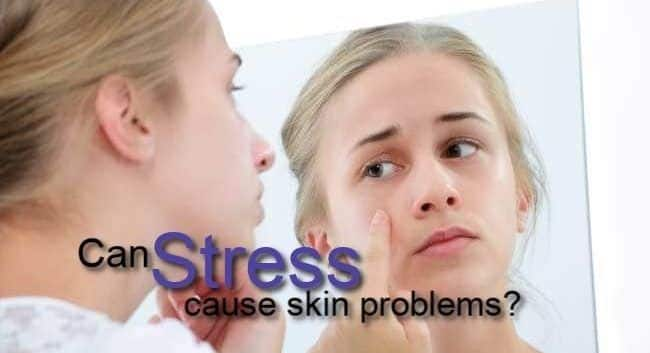
Psoriasis to eczema: Here’s how stress messes with your skin

From thehealthsite.com

If you know you're about to enter a stressful period, try to make time for the activities that will help you feel calm and rested -- your skin will thank you

Are you still working from home? do you feel stressed when you isolate yourself? Well, you must know that stress can severely affect your life. Staying at-home has resulted in a lot of stress for people — of being stuck indoors for a week on end; the uncertainty has taken a toll on people’s mental well-being. But, do you know stress can also affect your skin and make you go older faster than usual? Well, yes. You cannot hide stress. It shows on your face. Let’s get deeper into it.

Psoriasis to eczema: Stress can severely mess with your skin

Stress And Its Affect On The Skin

Stress can have various effects on your body and one of the most important among those is hormonal imbalance. When your body suffers from hormonal imbalance, you will see acne, rashes, hair thinning and fall, and various other skin break-outs.

What is the cure? When we say skincare, we generally don’t mean that we should have a time period for doing it. skincare is something that should be a part of your daily lifestyle. Therefore, it is extremely important for everyone to follow a good skincare routine while they’re indoors. Because staying inside does not necessarily mean you can forego or overlook skin and hair care. Your indoor air and environment can also affect your skin and your hair. And if you are stressed then you should know that you are more prone to skin and hair damages owing to stress. The most simple remedy to stop this is to follow a strict, if not elaborate, skincare routine, which involves cleansing, toning, and moisturizing.

Stress Can Cause Psoriasis And Eczema

Yes, stress can mess with your skin severely. Acne and oily skin are the most common side effects of stress. How do your skin type and stress lead to such health complications?

According to Geetanjali Shetty, Consultant Dermatologist and Cosmetologist on behalf of Cetaphil India, when the body is stressed it releases cortisol which is our fight or flight hormone. The cortisol (stress hormone) weakens the skin’s immune system, leading to oxidative (free radicals) stress, which manifests itself as wrinkles, lines, and lacklustre skin. It also increases inflammation in the body and conditions like eczema, rosacea, and psoriasis can flare-up.

What Can You Do To Prevent Stress From Affecting Your Skin?

So, now you all know how stress can badly mess up your skin. But, there has to be a way out. And there is! As discussed above, follow a good skincare routine which will include – cleansing, toning, and moisturizing.

Use herbal products that are good for your skin type. And nevertheless to mention – never exfoliate when you are suffering from breakouts and acne. Use skin products that have neem, tea tree oil, or ingredients that are good for fighting off the germs which can cause acne and rashes.

Another good thing that you can do for your skin is to use a good quality serum. People who have extremely dry skin or combination skin should opt for serums that are rich in Vitamin-C. And for all those who have oily skin should include serums that have niacinamide.

If you know you’re about to enter a stressful period, try to make time for the activities that will help you feel calm and rested — your skin will thank you.

Another important tip for having a good sin is to stay away from fried and spicy food. Vitamin E is a superfood for your skin — you can apply it topically or you can choose to consume it through vitamin E-rich foods like almonds, corn oil, cod-liver oil, hazelnuts, lobster, peanut butter, safflower oil, salmon steak, and sunflower seeds. The most essential thing to bear in mind is to keep yourself hydrated — drink lots of water, juices, and liquids.

Do Not Forget To Manage Your Stress Level!

Apart from following a good skincare routine, also make sure to manage your stress using home remedies such as meditation, sipping into a cup of calming chamomile or peppermint tea, etc.

You can also try these herbs:

1. Include maca root in your daily diet.

2. Add ashwagandha which is one of the best herbs for beating stress.

3. Lavender leaves are another great herb for beating stress.

4. Sipping into a cup of tulsi tea infused with chamomile leaves can also come in handy.

Also, apart from the above few tips – keep yourself hydrated. Water is the best remedy for all skin issues. Therefore, keep yourself hydrated with water and lots of liquid!

https://www.thehealthsite.com/beauty/psoriasis-to-eczema-heres-how-stress-mess-with-your-skin-794033/

Monday, 1 February 2021

What's the Difference Between Eczema and Psoriasis?

From 247wallst.com
By Colman Andrews

Psoriasis and eczema are both common skin conditions. Eczema affects about 31.6 million people in the United States, while as many as 7.5 million suffer from psoriasis. Both cause red, itchy skin, and they can sometimes look so much alike that some doctors, especially general practitioners, may have trouble distinguishing between them — though they look quite different to dermatologists.

Both psoriasis and eczema are autoimmune diseases — the former being the most prevalent autoimmune disease in the United States. Psoriasis causes the life cycle of skin cells to accelerate. The dead cells build up on the skin instead of being sloughed off. The disease is believed to be caused by overactive T cells and other white blood cells, which both attack healthy skin cells and trigger increased skin cell production.

Eczema is triggered primarily by exposure to bacteria, allergens, or various other irritants, and may be more prevalent in those who have a genetic variation that affects the skin’s ability to protect itself. The main risk factor for eczema is a family or personal history of asthma, hay fever, allergies, or eczema itself.

“Eczema” is an umbrella term, describing various related conditions that cause inflamed, itchy skin, according to the National Eczema Association. They recognize six types. The most common kind, and the one that most of us think of as eczema, is correctly called atopic dermatitis. It usually appears in the crooks of the elbows or knees, though it may also affect the back of the neck and the face. The main risk factor for atopic dermatitis is a family or personal history of asthma, hay fever, allergies, or the condition itself.

There are likewise several kinds of psoriasis, seven in all, the most common being plaque psoriasis. This condition causes raised, dry, scaly red lesions, typically on elbows and knees, though the lesions can appear anywhere on the body, including the face and the inside of the mouth.

There is no cure for either atopic dermatitis or psoriasis, and both are chronic conditions, often coming and going. Preventative measures may stave off flare-ups of either one, however. Doctors recommend that those affected try to identify and avoid factors that may set off bouts of the disease. Such factors include stress and obesity. Smoking increases the risk of psoriasis and can make it worse. Infants and children affected with eczema may experience flare-ups from eating potentially allergenic foods.

Both conditions react negatively to cold, dry weather, and both may be partially soothed by keeping the skin well lubricated and by using only gentle soaps. The American Academy of Dermatology also recommends bathing in a well-diluted solution of household bleach to prevent flare-ups of atopic dermatitis.

https://247wallst.com/special-report/2021/01/31/whats-the-difference-between-eczema-and-psoriasis-2/

Sunday, 31 January 2021

Genital psoriasis might explain those dry, itchy genitals — but don't let it interfere with your sex life

From insider.com

  • Genital psoriasis is a form of psoriasis that causes red, itchy patches around the genital area.
  • Symptoms of genital psoriasis can appear on the tip of the penis, buttocks, and inner thighs.
  • Topical treatments can minimize symptoms and reduce the frequency of outbreaks.

  • Psoriasis is a chronic skin condition that causes red, itchy patches or bumps on the skin. It can develop anywhere on the body, including the genitals. About 63% of adults with psoriasis may experience genital psoriasis at least once in their lifetime.

    "Genital psoriasis can occur anywhere on the genitals, but the tip of the penis and in folds of skin are the most common locations," says Jeffrey M. Cohen, MD, assistant professor of dermatology at Yale School of Medicine. It can also affect the crease between the buttocks, skin above the genitals, and inner and upper thigh areas.

    There are many ways to treat genital psoriasis, but mild topical corticosteroids are the first line of treatment. Here's how you can recognize, treat, and avoid irritating genital psoriasis.

    What is genital psoriasis?

    Genital psoriasis is a form of inverse psoriasis, which commonly occurs in skin folds such as the underarms, under the breasts, and around the genital area.

    "[It] generally presents as pink somewhat raised areas. Sometimes, these can be scaly, and other times, they may not be. The spots tend to be itchy, but they can also feel irritated," says Cohen.

    Thick, scaly patches called plaques can also appear on the affected area, which are either red with silvery or white build-up (for lighter skin tones) or purple, grey, or dark brown (for darker skin tones). You may experience discomfort, pain, itching, and cracking of the skin. 

    Treatments for psoriasis vary from one person to another, and some individuals might need a combination of treatments to reduce their symptoms.

    Important: Almost 50% of genital psoriasis patients don't discuss symptoms with their physicians due to shyness and fear of judgment, which may result in under-treatment. Genital psoriasis is common in psoriasis patients and is nothing to be ashamed of. 

    "Studies have shown that for many patients, genital psoriasis interferes with their sex lives, for reasons such as embarrassment or discomfort, but there is no health risk (for either partner) if someone with genital psoriasis has sex," says Cohen.

    Genital psoriasis might also be mistaken for eczema or fungal infection. "It is important to note that several skin conditions can look quite similar in the genital region, and a diagnosis of genital psoriasis should be made by a board-certified dermatologist," says Cohen.

    What triggers genital psoriasis? 

    Psoriasis develops due to an overreaction of the body's immune response, which causes inflammation. As a result, new skin cells grow too fast and move to the surface, manifesting in reddish and itchy bumps.

    Here are some tips to avoid irritation and further discomfort from genital psoriasis:

    • Avoid scratching or repeatedly touching the affected area.
    • Use treatment as prescribed by the dermatologist.
    • Wear breathable underwear as tight-fitting clothing can cause friction.
    • Use a mild, fragrance-free cleanser and moisturizer to clean the genital area and minimize chafing. Keep in mind that these products are not meant to be used inside the genitals and they're only for the surrounding external area.
    • Cleanse the outer genital area before and after sex, and if applicable, use a lubricated condom.
    • Avoid sex if the skin on or around the genitals is raw. 

    "Scratching or touching psoriasis cannot cause it to spread from one part of the body to another. It is also important to note that psoriasis is not at all contagious to others," says Cohen.

    How do you treat psoriasis of the genital area?

    There are plenty of treatment plans for genital psoriasis, and what works for one person might not work for another. Although it is a chronic condition that reduces the quality of life, proper treatment can improve it.

    About 70% to 80% of cases of psoriasis are mild, requiring only topical treatments. They can come in the form of corticosteroids, which are creams and ointments that reduce inflammation when applied to the skin, or nonsteroidal agents, medications that don't contain or are not steroids, like calcineurin inhibitors that suppress the immune system and reduce symptoms.

    Biologics, or medications that target specific parts of the immune system, can be very effective for many types of psoriasis and generally come in the form of a pill, injection, or intravenous infusion. "Good moisturizers, such as Vaseline, are also helpful for patients with genital psoriasis," says Cohen.

    Psoriasis doesn't go away and is present for someone's entire life. "However, some people experience long periods of time when psoriasis is not active," says Cohen. Following a treatment plan closely can reduce symptoms and avoiding certain irritants can help improve your genital psoriasis. 

    Insider's takeaway

    Genital psoriasis is a chronic skin condition that can develop anywhere on the genitals, buttocks, and thigh areas. Symptoms include red and itchy patches of skin that may or may not be scaly. 

    To avoid discomfort and irritation, moisturize the affected area and wear breathable underwear. Genital psoriasis is treated with topical medications and biologics (aka medications that target the cause of psoriasis), so talk to your healthcare provider to discuss the best treatment plan for you. 

    https://www.insider.com/genital-psoriasis


    Saturday, 30 January 2021

    Best Diet Plan for Psoriasis Patients

    From programminginsider.com

    Every dermatologist, physician and nutritionist agree that a healthy and balanced diet is mandatory for every patient. The reason behind this is that the food we intake into our body is directly linked to our health and status of well-being. Every patient must have a healthy diet that consists of proteins, whole grains, fruits and vegetables.

    You should avoid the food that is fried and processed whenever possible. The food without oil fat helps the hurt to keep lower the risk of its diseases and diabetes. Specially the patients with psoriasis disease always have a risk of getting ailments in their skin.

    It is known that every patient is different and therefore their diet should also be different and different in manner. However, it is not certainly known that this diet plan will cure your, but it will help you reducing the frequency of your disease.

    Nuts and grains

    According to many doctors, it is Easy and must be included as a part of healthy diet which is good for your heart. Nuts are good for her health and healthy substances are present in nuts at a very great amount.

    Nuts contain the good kind of fats, also known as, unsaturated fats. It is also enriched in fibre and contains Omega 3 fatty acids that are found in fish which can help you to lower your cholesterol.

    Vitamin E that helps you to stop the development of Plaques in your arteries are in abundance in nuts and grains.

    Everyone wants to be healthy but a healthy diet cannot be alone responsible for getting good effect on psoriasis disease, but you must also apply psoriasis cream that is very healthy for your skin type.

    Fruits and vegetables

    Rather a person be diseased or healthy but he or she must include fruit and vegetables in their daily livelihoods.

    These fruits help us to fight with chronic inflammation. Fruits like strawberries, blueberries, apples, oranges and cherries are very useful in these diseases. To keep your heart and skin healthy you must have leafy greens vegetables such as spinach, kale, greens and others vegetables like carrots, sweet potatoes, avocados and squash in their daily dieting routine.

    These kinds of foods are recommended because they contain a very high level of natural antioxidants which act as protective compounds that are found in plants. The antioxidants and polyphenols play a very important role in the reduction of inflammation in the body and mainly affect the sufferers of this disease.

    Lean meats and fish

    Eating lean white meat and chicken is always recommended as a part of nutritious diet. Whereas, if you its red meat then you must avoid meats that are fattier and cuts too, as they lead to Inflammation.

    If you add fish to your diet, then it would be considered a great addition. Fish contains high concentrations of high-quality proteins, Omega 3 fatty acids, vitamins and minerals. Fish oils also reduce the inflammation of the body and support our immune system. The risk of heart attack and stroke is also be lowered by eating fish.