Showing posts with label men. Show all posts

Tuesday, 16 June 2026

9 Grooming Tips Every Man With Psoriasis Skin Rash Should Know

From stylerave.com 

By Collins Badewa

Living with a chronic skin condition goes beyond appearance. It affects comfort, confidence, and your overall sense of control. For many men dealing with eczema, Rosacea, or Psoriasis skin rash, daily grooming becomes a balancing act, looking presentable while avoiding irritation. Because inflammation is often persistent, visible, and misunderstood, a more thoughtful approach to skincare is essential.

In recent years, dermatologists have shifted how they approach men’s grooming. A basic bar of soap and any lotion is no longer enough. The focus now is on targeted care, repairing the skin barrier, and maintaining consistency, especially when managing conditions like psoriasis skin rash. The good news is that with the right habits, you can reduce flare-ups, improve skin comfort, and keep your routine simple.

Here are 9 grooming tips every man with a skin condition should know…

#1. Switch to a Gentle Cleanser
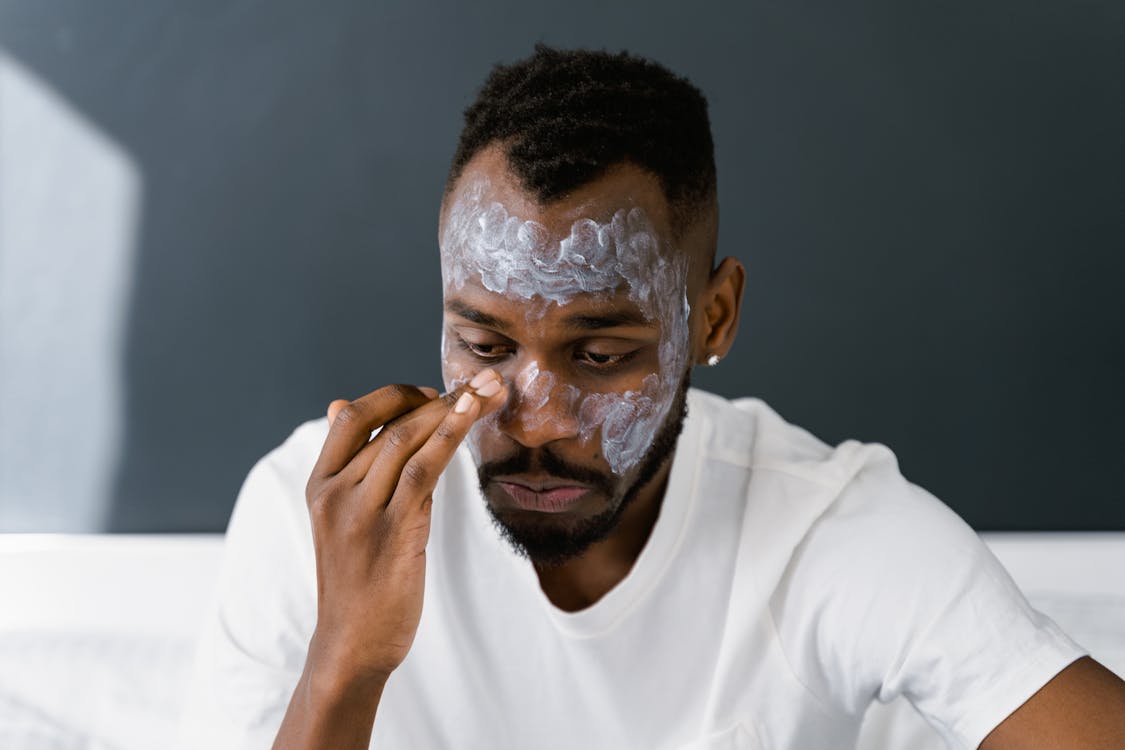
psoriasis-skin-care-tips-style-rave
Photo: Pexels
PIN IT

If you’re still using a harsh bar soap on your face, it’s time to switch. Gentle, fragrance-free cleansers are far less likely to strip the skin or trigger irritation. Over-washing can also worsen dryness and inflammation, so aim to cleanse twice daily, morning and night, and keep the routine minimal.

#2. Moisturize Like It Matters

Moisturizing is essential when managing chronic skin conditions. A rich, barrier-repairing cream helps strengthen skin that is often compromised in conditions like psoriasis. Apply moisturizer while your skin is still slightly damp to lock in hydration, and reapply as needed throughout the day. With consistency, this step alone can reduce itching and make flare-ups less severe over time.

#3. Prioritize Mineral Sunscreen

Photo: Tigist Mezzanzanica/iStock Images
PIN IT

Sun exposure can trigger or worsen inflammatory conditions, particularly rosacea. Mineral sunscreens containing zinc oxide or titanium dioxide are typically better tolerated by sensitive skin than chemical formulas. Wearing sunscreen daily isn’t just about preventing sunburn; it also protects already-reactive skin from further irritation.

#4. Learn to Read Labels

When managing chronic skin issues, ingredients matter just as much as routine. Look for beneficial components like ceramides, hyaluronic acid, and colloidal oatmeal, which support hydration and barrier repair. At the same time, avoid common irritants such as fragrance, alcohol, and aggressive exfoliants. Even products labelled “natural” can aggravate sensitive skin or trigger a psoriasis flare if they contain hidden irritants.

#5. Always Patch Test New Products
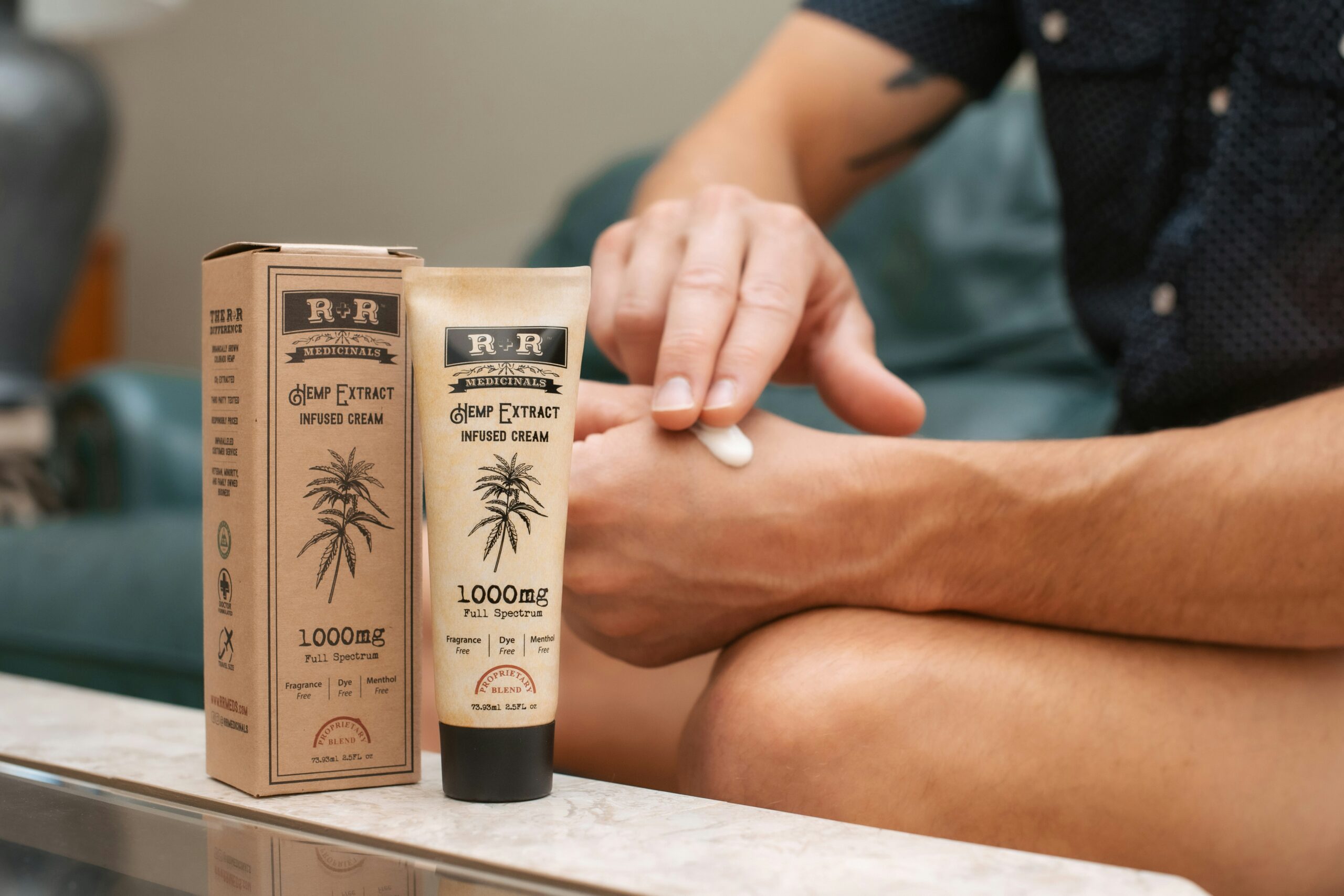
Photo: R+R Medicinals/Unsplash
PIN IT

Introducing a new product without testing it first can lead to unnecessary flare-ups. Apply a small amount to a discreet area and wait 24 hours to monitor your skin’s reaction. It’s also best to introduce one product at a time, so you can clearly identify what works and what doesn’t.

#6. Shave Smarter, Not Harder

Shaving can be particularly harsh on sensitive or inflamed skin. Use a single- or double-blade razor, shave in the direction of hair growth, and always use a moisturizing shaving cream. Avoid alcohol-based aftershaves and opt for soothing balms with calming ingredients like aloe or niacinamide to minimize irritation.

#7. Turn Down the Heat

psoriasis-skin-care-tips-style-rave
Photo: Prostockstudio

Hot showers may feel relaxing, but they can worsen dryness and inflammation. Stick to lukewarm water and keep showers brief. Afterward, gently pat your skin dry instead of rubbing it. Friction alone can aggravate sensitive areas and make conditions like psoriasis skin rash more uncomfortable.

#8. Simplify During Flare-Ups

When your skin is flaring, less is more. Strip your routine back to the essentials: a gentle cleanser, prescribed treatments (if any), a moisturizer, and sunscreen during the day. Avoid introducing new products or using active ingredients like retinoids or exfoliating acids, as these can worsen irritation during sensitive periods.

#9. Know When to See a Dermatologist

Photo: SeventyFour/Pexels

A solid routine can go a long way, but some skin conditions require professional care. If symptoms persist or worsen, it’s important to consult a dermatologist. Prescription treatments and expert guidance can significantly improve how you manage chronic inflammation.

Time To Get Smarter With Your Skincare

Having a chronic skin condition doesn’t mean giving up on looking good—it means being more intentional about how you care for your skin. Small, consistent changes, from choosing the right cleanser to identifying your triggers, can make a meaningful difference.

With the right approach, even persistent conditions like psoriasis can become far more manageable. In the end, good grooming isn’t about perfection. It’s about feeling comfortable in your own skin.


Medical Disclaimer

All content found on the Style Rave website, including text, images, audio, video, and other formats, is created for informational purposes only. The content is not intended to be a substitute for professional medical advice, diagnosis, or treatment. If you think you may have a medical emergency, please call your doctor, go to the nearest hospital, or call 911 immediately, depending on your condition.

https://www.stylerave.com/psoriasis-skin-care-tips/

Friday, 17 April 2026

9 Grooming Tips Every Man With Psoriasis Skin Rash Should Know

From stylerave.com

Living with a chronic skin condition goes beyond appearance. It affects comfort, confidence, and your overall sense of control. For many men dealing with eczema, Rosacea, or Psoriasis skin rash, daily grooming becomes a balancing act, looking presentable while avoiding irritation. Because inflammation is often persistent, visible, and misunderstood, a more thoughtful approach to skincare is essential.

In recent years, dermatologists have shifted how they approach men’s grooming. A basic bar of soap and any lotion is no longer enough. The focus now is on targeted care, repairing the skin barrier, and maintaining consistency, especially when managing conditions like psoriasis skin rash. The good news is that with the right habits, you can reduce flare-ups, improve skin comfort, and keep your routine simple.

Here are 9 grooming tips every man with a skin condition should know…


#1. Switch to a Gentle Cleanser

psoriasis-skin-care-tips-style-rave
Photo: Pexels
PIN IT

If you’re still using a harsh bar soap on your face, it’s time to switch. Gentle, fragrance-free cleansers are far less likely to strip the skin or trigger irritation. Over-washing can also worsen dryness and inflammation, so aim to cleanse twice daily, morning and night, and keep the routine minimal.

#2. Moisturize Like It Matters

Moisturizing is essential when managing chronic skin conditions. A rich, barrier-repairing cream helps strengthen skin that is often compromised in conditions like psoriasis. Apply moisturizer while your skin is still slightly damp to lock in hydration, and reapply as needed throughout the day. With consistency, this step alone can reduce itching and make flare-ups less severe over time.

#3. Prioritize Mineral Sunscreen

Photo: Tigist Mezzanzanica/iStock Images
PIN IT

Sun exposure can trigger or worsen inflammatory conditions, particularly rosacea. Mineral sunscreens containing zinc oxide or titanium dioxide are typically better tolerated by sensitive skin than chemical formulas. Wearing sunscreen daily isn’t just about preventing sunburn; it also protects already-reactive skin from further irritation.

#4. Learn to Read Labels

When managing chronic skin issues, ingredients matter just as much as routine. Look for beneficial components like ceramides, hyaluronic acid, and colloidal oatmeal, which support hydration and barrier repair. At the same time, avoid common irritants such as fragrance, alcohol, and aggressive exfoliants. Even products labelled “natural” can aggravate sensitive skin or trigger a psoriasis flare if they contain hidden irritants.

#5. Always Patch Test New Products

Photo: R+R Medicinals/Unsplash
PIN IT

Introducing a new product without testing it first can lead to unnecessary flare-ups. Apply a small amount to a discreet area and wait 24 hours to monitor your skin’s reaction. It’s also best to introduce one product at a time, so you can clearly identify what works and what doesn’t.

#6. Shave Smarter, Not Harder

Shaving can be particularly harsh on sensitive or inflamed skin. Use a single- or double-blade razor, shave in the direction of hair growth, and always use a moisturizing shaving cream. Avoid alcohol-based aftershaves and opt for soothing balms with calming ingredients like aloe or niacinamide to minimize irritation.

#7. Turn Down the Heat

psoriasis-skin-care-tips-style-rave
Photo: Prostockstudio
PIN IT

Hot showers may feel relaxing, but they can worsen dryness and inflammation. Stick to lukewarm water and keep showers brief. Afterward, gently pat your skin dry instead of rubbing it. Friction alone can aggravate sensitive areas and make conditions like psoriasis skin rash more uncomfortable.

#8. Simplify During Flare-Ups

When your skin is flaring, less is more. Strip your routine back to the essentials: a gentle cleanser, prescribed treatments (if any), a moisturizer, and sunscreen during the day. Avoid introducing new products or using active ingredients like retinoids or exfoliating acids, as these can worsen irritation during sensitive periods.

#9. Know When to See a Dermatologist

Photo: SeventyFour/Pexels
PIN IT

A solid routine can go a long way, but some skin conditions require professional care. If symptoms persist or worsen, it’s important to consult a dermatologist. Prescription treatments and expert guidance can significantly improve how you manage chronic inflammation.

Time To Get Smarter With Your Skincare

Having a chronic skin condition doesn’t mean giving up on looking good—it means being more intentional about how you care for your skin. Small, consistent changes, from choosing the right cleanser to identifying your triggers, can make a meaningful difference.

With the right approach, even persistent conditions like psoriasis can become far more manageable. In the end, good grooming isn’t about perfection. It’s about feeling comfortable in your own skin.

https://www.stylerave.com/psoriasis-skin-care-tips/ 

Monday, 7 November 2022

A Comprehensive Guide on Psoriasis in Men: What is it, Causes, Symptoms & Treatment

From mensxp.com

Psoriasis is a chronic but non-threatening skin disease that can turn someone’s life into a waking nightmare. Psoriasis is a fairly common skin condition estimated to affect almost 2% of the population in India and around the world.

Furthermore, psoriasis in men is much more prevalent than in women, and no cure exists for it at the moment. However, it’s possible to live an otherwise healthy and fulfilling life with psoriasis as long as you follow some basic medical guidelines.

This article provides a list of tips for diagnosing psoriasis symptoms and then taking steps to control its spread.

Before knowing more about remedies and ways to prevent its spread, it is important to understand psoriasis and how it affects the skin. Moreover, it is also important to know how the disease spreads, its symptoms and its causes.

What is psoriasis?


Psoriasis is an inflammatory autoimmune disease that mainly affects a person’s skin. Psoriasis causes skin cells to grow rapidly, resulting in raised, dry, and scaly patches. The areas where psoriasis usually appears are the scalp, elbows, knees, nails, back, and chest.

There are many forms of psoriasis, some of which can even be deadly, like erythrodermic psoriasis, but that is extremely rare. Plaque psoriasis is the most common variant most people suffer from, and even though it isn’t fatal or contagious, it can be quite distressing.

Causes of psoriasis

The cause of psoriasis, like most autoimmune disorders, remains a mystery even today. Scientists and doctors presume family history and lifestyle to be the leading causes of psoriasis in the general populace. But the disease can affect anyone.

Psoriasis triggers and risk factors

Psoriasis in men can go unchecked for decades. People spend years living without complications when psoriasis symptoms start flaring up. This happens due to triggers or risk factors.

Stress, hygiene, diet, environmental factors, injuries, infections, medications, and allergies are some psoriasis triggers in men. It’s still unclear why this happens, but as per studies, psoriasis-infected cells begin multiplying when they detect a compromised immune system.

One should immediately consult a dermatologist if they identify any of the triggers mentioned above and have been feeling changes in their skin lately.

What are the symptoms of psoriasis?

Psoriasis has various symptoms. Some of these include:

  1. Raised patches or rashes on the skin
  2. Dry, crusty or itchy skin
  3. Plaques of red skin covered with silvery scales
  4. Discolouration of fingernails or toenails
  5. Pain and swelling in joints indicate psoriatic arthritis, the second most common form of the disease.

Psoriasis may or may not be painful, and symptoms vary from person to person. Some feel extremely itchy, others not at all. Some feel a burning sensation in their skin; others suffer from dryness and peeling skin.

Psoriasis vs Eczema


Psoriasis is often confused with another autoimmune skin disorder, eczema. Both have similar symptoms, and it can be challenging for an individual with no medical knowledge or history of the disease to determine if they have psoriasis or eczema. Only a doctor can expertly distinguish between the two.

But generally, eczema is much more uncomfortable than psoriasis. Eczema causes intense itching, sometimes resulting in bleeding due to scratching.

Eczema rashes are red and inflamed, like acne, while psoriasis patches are silvery and scaly. Also, eczema usually shows up early (in childhood) compared to psoriasis, which mainly affects adults.

Can psoriasis be cured?

Unfortunately, no. Medical professionals are still working on finding a cure for psoriasis. At present, we only have ways to control the symptoms rather than eliminate the disease.

Some people age out of psoriasis, while many argue that fasting or exercise helps. All humans have varying physiologies and can react differently to diseases, so there is no universal way to combat psoriasis yet.

How is psoriasis treated?

Dermatologists usually recommend three types of treatments for psoriasis.

1) Topical therapy

Topical therapy refers to treating the patches with various medicated ointments. The silvery, scaly skin area can be soothed by applying corticosteroids, Vitamin D creams, retinoids, coal tar, and salicylic acid. All these are used to treat other skin conditions as well and come in various forms like shampoos, creams, oils, and sprays.

2) Light therapy

Brief, consistent exposure to UV light is said to improve psoriasis. Sunlight is the best source of getting phototherapy at home. You can also opt for artificial UV exposure at clinics.


3) Oral medications

Various drugs may help to control the immune system and stop psoriasis. They don’t root it out entirely but can slow its spread considerably.

The dermatologist may also treat the patches with orally ingested retinoids and steroids. One should only take these medications after consulting a dermatologist. Home remedies like applying coconut oil can also help but, again, are not a cure.

Can psoriasis in men be prevented?

One cannot prevent or predict psoriasis, but one can identify and avoid potential risk factors to keep the psoriasis flare-ups at bay. Here are some tips and home remedies to help people out.

1) Reducing inflammation

Stress and diet are leading causes of inflammation. To keep it in check, one should eat fresh food, get plenty of sleep, and exercise regularly.

2) Stay moisturized

It is important to use moisturizer to keep the skin soft and supple. It’s great for the skin and can help with dryness, a known psoriasis trigger. One can also use coconut or almond oil.

3) Be wary of winter

Due to the cold and dry air, winter is a significant psoriasis trigger. One should stay warm and keep their skin covered at all times.

4) Plenty of Vitamin D

There is a direct link between Vitamin D and psoriasis treatment. So one should try to supplement their diet with foods like fish, milk, and eggs, and should not shy away from the sun.

Psoriasis in Men and Mental Health

Psoriasis in men can be more debilitating than a broken bone because it can ruin one’s confidence. Many men suffer in silence from psoriasis for fear of being judged or looked down upon.

Psoriasis is not contagious, meaning it doesn’t spread by touch, sexual intercourse, or blood. But patients with psoriasis often face discrimination, which can adversely affect their mental health.

Conclusion

Since one can't treat psoriasis, it all boils down to the old saying, “Prevention is better than cure.” Working on one’s stress level, diet and avoiding injuries can help in prevention. Although psoriasis is not a contagious disease, those who suffer from the condition are subject to severe ostracization, which impacts their mental health.

FAQs

My psoriasis keeps getting worse. What should I do?

Visit your dermatologist immediately. One can easily manage psoriasis with some extra care, but if it spreads, the disease can mutate into a more serious form. 

Also, sometimes what appears to be psoriasis could be something much worse – a failing organ or a severe allergic reaction. Such cases also exhibit symptoms such as dry, scaly skin and rashes. 

How do I tell if it’s psoriasis or something else?

You can’t, and we do not recommend self-diagnosis unless you’re a licensed physician yourself. The symptoms of psoriasis in men are similar to those of several other skin conditions, and only a dermatologist can trace the difference following a biopsy of the patches. 

Can psoriasis spread to my loved ones?

No, psoriasis is not a contagious disease, and it does not spread by physical contact. However, it can be a genetically inherited condition. If a close family member has been diagnosed with psoriasis, get yourself checked as well and start taking better care of your skin and overall health. 

Psoriasis is affecting my personal life. What should I do?
Psoriasis can take a toll on one’s life with how people react to those suffering from it. If your work life and relationships are affected by psoriasis, the best way to deal with it is to be at peace with yourself and surround yourself with loved ones who support you.

It is difficult to live with psoriasis, but it is not a life-threatening disease. And that’s something worth cherishing. If you seek further help, don’t hesitate to consult a registered therapist.  


https://www.mensxp.com/grooming/hair-care/121271-psoriasis-in-men-with-causes-and-treatment.html