Showing posts with label moisturizer. Show all posts

Tuesday, 16 June 2026

9 Grooming Tips Every Man With Psoriasis Skin Rash Should Know

From stylerave.com 

By Collins Badewa

Living with a chronic skin condition goes beyond appearance. It affects comfort, confidence, and your overall sense of control. For many men dealing with eczema, Rosacea, or Psoriasis skin rash, daily grooming becomes a balancing act, looking presentable while avoiding irritation. Because inflammation is often persistent, visible, and misunderstood, a more thoughtful approach to skincare is essential.

In recent years, dermatologists have shifted how they approach men’s grooming. A basic bar of soap and any lotion is no longer enough. The focus now is on targeted care, repairing the skin barrier, and maintaining consistency, especially when managing conditions like psoriasis skin rash. The good news is that with the right habits, you can reduce flare-ups, improve skin comfort, and keep your routine simple.

Here are 9 grooming tips every man with a skin condition should know…

#1. Switch to a Gentle Cleanser
psoriasis-skin-care-tips-style-rave
Photo: Pexels
PIN IT

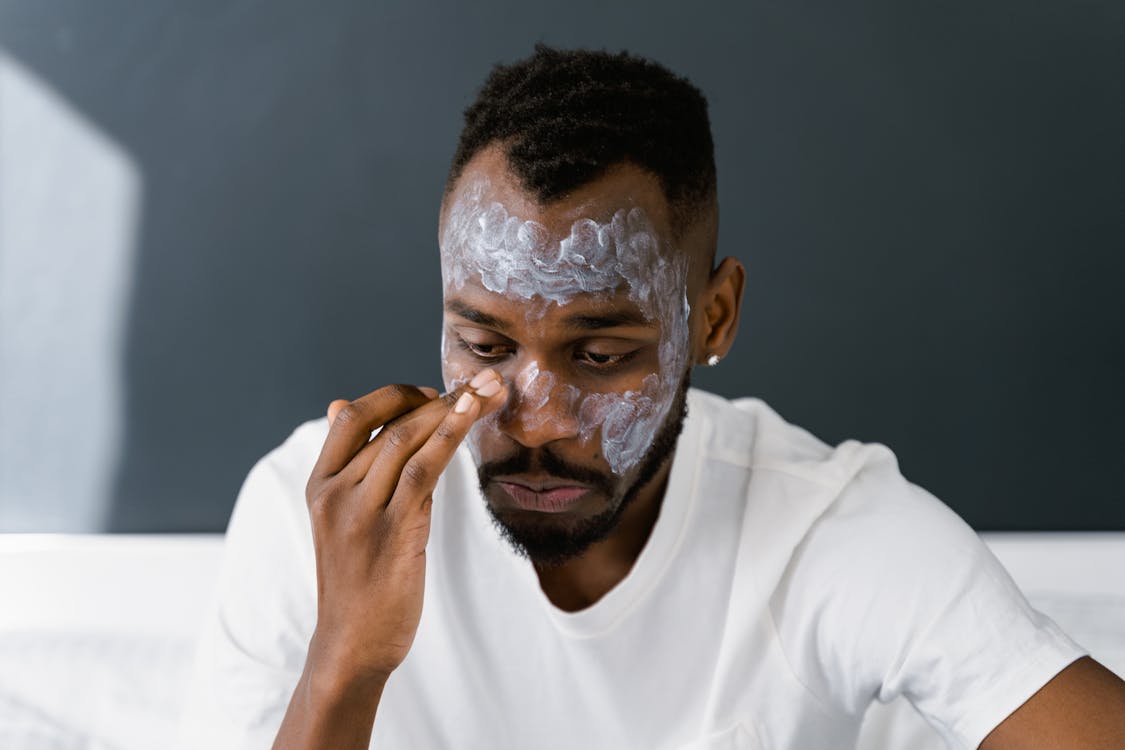
If you’re still using a harsh bar soap on your face, it’s time to switch. Gentle, fragrance-free cleansers are far less likely to strip the skin or trigger irritation. Over-washing can also worsen dryness and inflammation, so aim to cleanse twice daily, morning and night, and keep the routine minimal.

#2. Moisturize Like It Matters

Moisturizing is essential when managing chronic skin conditions. A rich, barrier-repairing cream helps strengthen skin that is often compromised in conditions like psoriasis. Apply moisturizer while your skin is still slightly damp to lock in hydration, and reapply as needed throughout the day. With consistency, this step alone can reduce itching and make flare-ups less severe over time.

#3. Prioritize Mineral Sunscreen
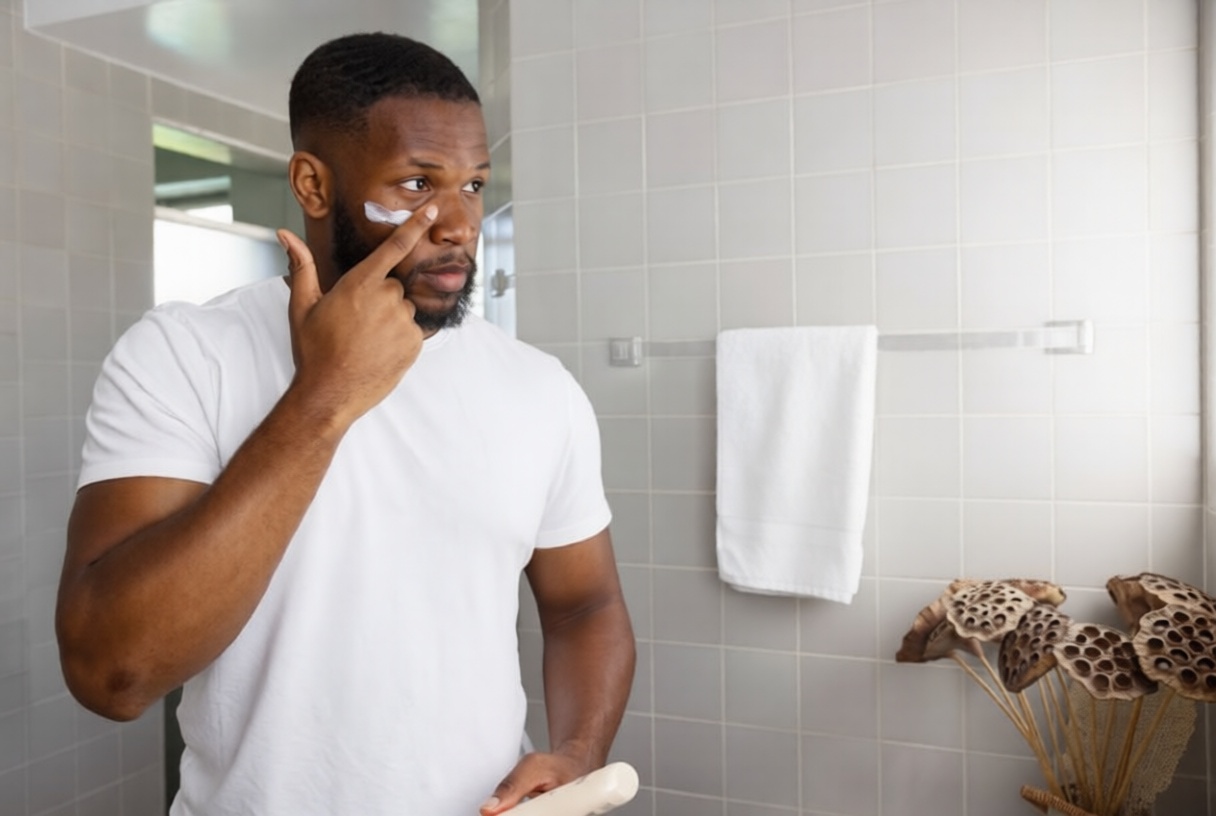
Photo: Tigist Mezzanzanica/iStock Images
PIN IT

Sun exposure can trigger or worsen inflammatory conditions, particularly rosacea. Mineral sunscreens containing zinc oxide or titanium dioxide are typically better tolerated by sensitive skin than chemical formulas. Wearing sunscreen daily isn’t just about preventing sunburn; it also protects already-reactive skin from further irritation.

#4. Learn to Read Labels

When managing chronic skin issues, ingredients matter just as much as routine. Look for beneficial components like ceramides, hyaluronic acid, and colloidal oatmeal, which support hydration and barrier repair. At the same time, avoid common irritants such as fragrance, alcohol, and aggressive exfoliants. Even products labelled “natural” can aggravate sensitive skin or trigger a psoriasis flare if they contain hidden irritants.

#5. Always Patch Test New Products
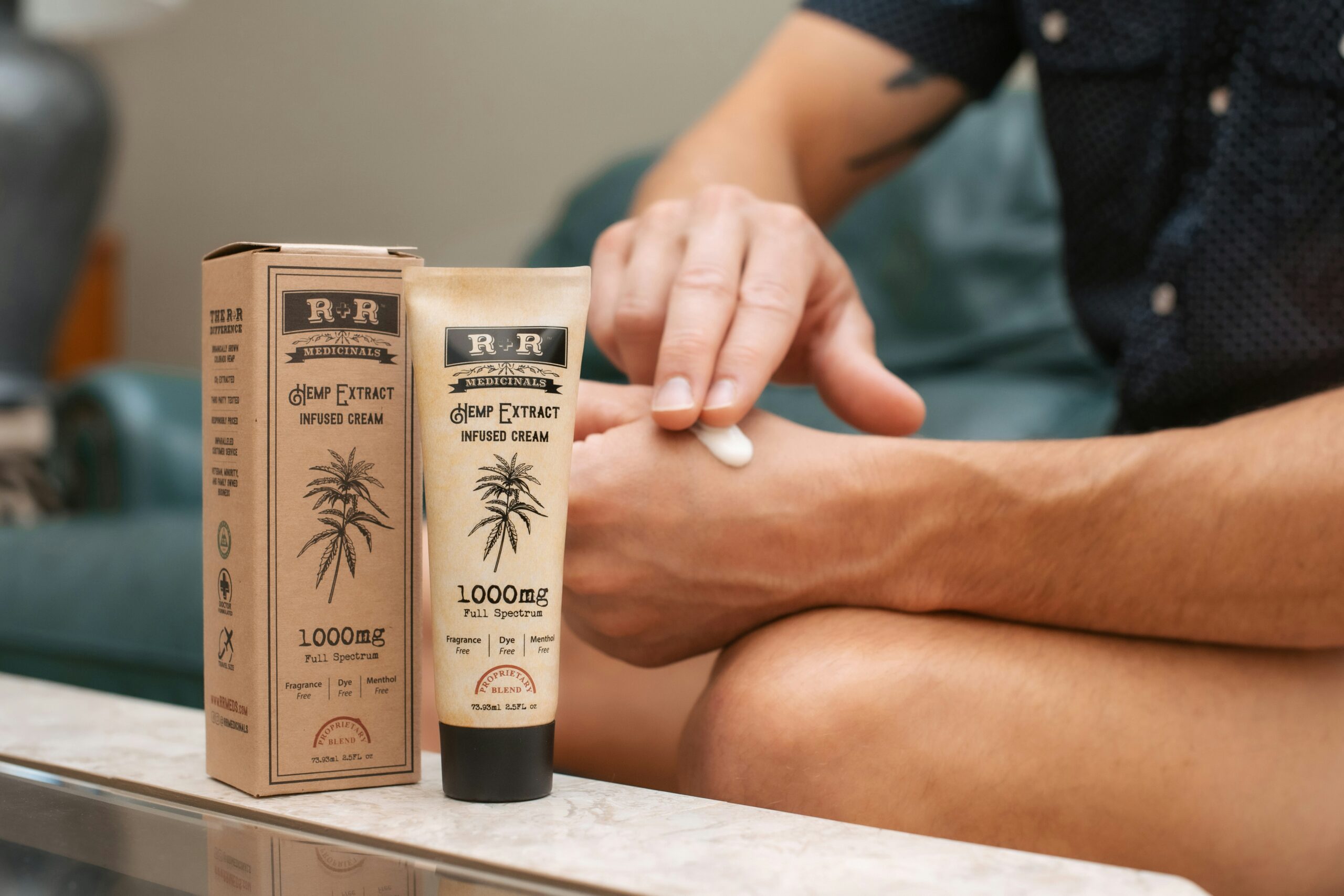
Photo: R+R Medicinals/Unsplash
PIN IT

Introducing a new product without testing it first can lead to unnecessary flare-ups. Apply a small amount to a discreet area and wait 24 hours to monitor your skin’s reaction. It’s also best to introduce one product at a time, so you can clearly identify what works and what doesn’t.

#6. Shave Smarter, Not Harder

Shaving can be particularly harsh on sensitive or inflamed skin. Use a single- or double-blade razor, shave in the direction of hair growth, and always use a moisturizing shaving cream. Avoid alcohol-based aftershaves and opt for soothing balms with calming ingredients like aloe or niacinamide to minimize irritation.

#7. Turn Down the Heat

psoriasis-skin-care-tips-style-rave
Photo: Prostockstudio

Hot showers may feel relaxing, but they can worsen dryness and inflammation. Stick to lukewarm water and keep showers brief. Afterward, gently pat your skin dry instead of rubbing it. Friction alone can aggravate sensitive areas and make conditions like psoriasis skin rash more uncomfortable.

#8. Simplify During Flare-Ups

When your skin is flaring, less is more. Strip your routine back to the essentials: a gentle cleanser, prescribed treatments (if any), a moisturizer, and sunscreen during the day. Avoid introducing new products or using active ingredients like retinoids or exfoliating acids, as these can worsen irritation during sensitive periods.

#9. Know When to See a Dermatologist

Photo: SeventyFour/Pexels

A solid routine can go a long way, but some skin conditions require professional care. If symptoms persist or worsen, it’s important to consult a dermatologist. Prescription treatments and expert guidance can significantly improve how you manage chronic inflammation.

Time To Get Smarter With Your Skincare

Having a chronic skin condition doesn’t mean giving up on looking good—it means being more intentional about how you care for your skin. Small, consistent changes, from choosing the right cleanser to identifying your triggers, can make a meaningful difference.

With the right approach, even persistent conditions like psoriasis can become far more manageable. In the end, good grooming isn’t about perfection. It’s about feeling comfortable in your own skin.


Medical Disclaimer

All content found on the Style Rave website, including text, images, audio, video, and other formats, is created for informational purposes only. The content is not intended to be a substitute for professional medical advice, diagnosis, or treatment. If you think you may have a medical emergency, please call your doctor, go to the nearest hospital, or call 911 immediately, depending on your condition.

https://www.stylerave.com/psoriasis-skin-care-tips/

Thursday, 19 February 2026

Is It Okay to Use Self-Tanners if You Have Psoriasis?

From everydayhealth.com

Psoriasis is a chronic inflammatory skin condition that speeds up skin cell turnover, leading to thick, scaly patches on the skin. These plaques can develop all over the body, including the arms, legs, and back — and this is often why people with psoriasis look for ways to make their skin look more even, especially in the summer months.

Self-tanners and spray tans are popular options because they create the appearance of a tan without the UV exposure and risk of skin cancer. And for people with psoriasis, a tan may be a confidence booster as it may reduce the contrast between plaques and surrounding skin, making flare-ups less noticeable.

It’s worth noting that some natural sunlight can improve plaque psoriasis in certain people. But dermatologists warn that exposure to UV light is best achieved via phototherapy, where UV light is administered in a controlled setting. Sunbathing isn’t recommended as sunburn is a form of skin trauma that can worsen psoriasis and increase skin cancer risk.

This is where sunless tanning products often come into the conversation. But are they safe for psoriatic skin?

How Self-Tanners Work

Self-tanners are topical products — such as lotions, creams, foams, or drops that can be mixed into your makeup or moisturizer — that you can use at home. When they’re applied to the skin, the product interacts with proteins on the skin’s surface to create a darker colour. Like a tan, the colour wears off after a few days.
The active ingredient in most self-tanners is dihydroxyacetone (DHA), a colour additive approved by the U.S. Food and Drug Administration (FDA). DHA creates a temporary browning effect that looks like a tan, with the color usually developing within a few hours.

Self-tanners don’t penetrate deep into the skin, which is why they’re considered safer than UV tanning, says Lawrence Green, MD, a clinical professor of dermatology at George Washington University School of Medicine in Washington, DC. “Self-tanners are fine to use because they don’t sink into the skin; they sit on the skin,” Dr. Green says.

But they don’t protect your skin from UV rays unless the product explicitly says it contains SPF, according to Steven Daveluy, MD, a professor and the program director at the Wayne State University School of Medicine in Detroit, where he specializes in treating patients with skin diseases, such as psoriasis and eczema. “I always make sure to remind patients that [self-tanners] don't offer sun protection, so they still need to use protection with sunscreen, hats, clothing, shade, and other methods,” he says.

Even if your self-tanner has sunscreen, you should reapply a separate UVA/UVB sunscreen with an SPF of 30 or higher every two hours if you’re outdoors.
                                                                                                                                  Adobe Stock

How Spray Tans Work

Spray tans use the same active ingredient — DHA — but instead of being applied by hand, the product is sprayed onto the skin, through an aerosol spray can.

Once the spray tan is applied, you’ll notice your skin will darken or “tan” over the next 2 to 4 hours, up to 24 to 72 hours. The more DHA is applied to the skin, the darker your spray tan will appear. Spray tans tend to last about 5 to 10 days.
Bear in mind, if you’re getting a spray tan in a commercial spray tanning booth, you should check on safety measures put in place to make sure the product won’t get into your eyes, nose, mouth, or lips, the FDA has cautioned. That’s because it doesn’t have data on the safety of inhaling or ingesting the spray.

Just like self-tanners, spray tanning products don’t offer UV protection unless they explicitly say they do, Green says.

What to Consider When You Have Psoriasis

Self-tanners and spray tans are safe to use for people with psoriasis, Dr. Daveluy says. “They offer a great option for patients who want to look tanned without increasing their risk of skin cancer and premature aging.”

This comes with an important caveat, though. The product should not be applied to open or inflamed skin — and it won’t sit smoothly on dry, patchy skin or plaques.

“It's just the thickness of the plaques, the unevenness, the scales. It's going to be very difficult to get the product on evenly,” Green says, using an analogy of applying foundation to inflamed, acne-prone skin, or dry, flaking skin.

The self-tanner won’t last as long on parts of the body affected by psoriasis, too, Daveluy says. “It’s going to flake off more quickly. In psoriasis, the skin turns over 17 times faster than skin without psoriasis,” he says, noting your psoriasis scale will soak up the self-tanner, then flake off.

There’s no evidence that spray tans or self-tanners can trigger flares or outbreaks — but the way you apply the product can, says Chris Adigun, MD, a board-certified dermatologist in private practice in Chapel Hill, North Carolina.

Applying self-tanner to opened or cracked plaques could cause the psoriasis to worsen. “DHA is meant to be applied to intact skin,” Dr. Adigun says.

Exfoliating affected parts of the body beforehand may even trigger new psoriasis patches through the Koebner response, a phenomenon where skin trauma — like scratches — can cause psoriasis to spread to previously unaffected areas, she says.

This is why you should get your psoriasis under control before using self-tanners or spray tans, Daveluy says. Your dermatologist can prescribe topical, oral, or injectable medications to manage your disease. “Our goal is for our patients with psoriasis to have less than 1 percent of the body affected by the psoriasis,” he says.

How to Use Self-Tanners and Spray Tans Safely

If you have psoriasis and you’re using self-tanners or spray tans, a few simple precautions can help reduce irritation, improve results, and protect your skin barrier. These include the following:

Choose Gentle Formulations

Daveluy says that while psoriatic skin isn’t as sensitive as other types of skin conditions, such as atopic dermatitis, you can take precautions and shop for a self-tanner or spray with the following characteristics:
  • Fragrance-free
  • Free of exfoliating acids or scrubs
  • Noncomedogenic, if acne is a concern
  • Free of alcohol, dyes, essential oils, and sulfates

The aim here is to choose products that are less likely to cause irritation or allergy, Daveluy says.

Patch Test First

It’s especially important to do a patch test on your skin before using a new product on the rest of your body if you have psoriasis.

For daily-use products like moisturizers, Daveluy recommends applying the product to the same spot — usually the inside of the upper arm — twice a day for about two weeks and watching for signs of irritation, such as itching or rash. If the skin tolerates it well, it’s likely safe to use elsewhere.

Because self-tanners aren’t typically used every day, you can modify this approach by applying the product to the test area every few days instead. 

Always Use Sunscreen

Protecting your skin from the sun is especially important if you have psoriasis. Some psoriasis medications can increase sun sensitivity; and people who have had extensive UVB phototherapy may also have a higher risk of skin cancer, though the research is contradictory. Don’t forget: severe sunburn can also trigger a psoriasis flare
When choosing sunscreen, look for a broad-spectrum formula with SPF 30 or higher, ideally containing zinc oxide or titanium dioxide, which help block harmful UV rays. Always avoid applying sunscreen to open or actively inflamed skin.

Moisturize Strategically

Moisturizing is key for people with psoriasis. You can prep the skin before applying a self-tanner by taking a warm bath to loosen or remove scales, then follow up with moisturizing immediately after, Adigun says.

“It might look marginally better,” she says.

You can also try gentle exfoliation before application — with careful attention to avoid exfoliating parts of your body with active psoriasis, Daveluy says. “Don't try to exfoliate or pick the scale off your psoriasis, since trauma can cause psoriasis to flare,” he warns.

After the self-tanner or spray tan sets, keep moisturizing your skin to reduce flaking, Green says. He recommends using a thick, heavy cream — think jar-based products rather than pump lotions — to help seal in moisture.

The Takeaway

  • Self-tanners and spray tans work on the surface of the skin, creating a temporary tan without UV exposure.
  • Results may be uneven and fade faster on psoriasis plaques, because thicker, scaly skin sheds more quickly than unaffected areas, causing the color to flake off sooner or appear patchy. 
  • Make sure you moisturize regularly to help protect the skin barrier, and choose sunless-tanning products that are fragrance-free and free of other ingredients that may irritate the skin. 

Tuesday, 20 January 2026

How to Care for Your Skin During a Severe Psoriasis Flare

From healthcentral.com

When psoriasis flares get a little out of hand, take note of these dermatologist-approved steps to soothe pain, calm inflammation, and protect your skin 

A severe psoriasis flare is more than a few thicker-than-usual plaques. Skin may become rapidly and intensely red, swollen, and cracked, with itch that feels constant and overwhelming. “I look for more widespread, thickened, scaly plaques extending beyond prior areas of involvement, along with fissuring, pain, and intensifying itch,” says Meena Singh, M.D., a board-certified dermatologist and medical director of the Skin and Hair Center in Overland Park, KS. Skin warmth or new pustules can also signal trouble. Beyond physical symptoms, severe flares often take an emotional toll, disrupting sleep, work, and daily life.

First Priority: Calm the Inflammation ASAP

                                                         GettyImages/simarik

During a severe flare, the main goal is to calm inflammation as quickly and safely as possible, says Dr. Singh. For flares limited to certain areas, dermatologists may temporarily use stronger topical steroids like clobetasol, often followed by steroid-sparing treatments such as roflumilast. Thick scale may be gently reduced first so medications can work better. For stubborn plaques, steroid injections may help. If symptoms spread quickly or interfere with daily life, doctors may adjust prescribed systemic or biologic treatments (if you take them) to bring inflammation under control.

Soothing Baths Can Help

Short, lukewarm baths can help calm inflamed skin and soften plaques. “I usually recommend lukewarm baths with colloidal oatmeal and occasionally Dead Sea–style salts,” says Dr. Singh. Adding a bath oil can help seal in moisture, per the Mayo Clinic. What doesn’t help: long, hot baths or showers. “Hot water and harsh soaps disrupt the skin barrier and increase inflammation, even if they feel soothing at first,” she explains. Fragrances and essential oils can also worsen flares. Bonus tip: Moisturize within two minutes of bathing to lock in hydration.

Moisturize Like a Derm

                                                      GettyImages/Mariya Borisova

During a severe flare, the simple act of moisturizing becomes a form of treatment. “Proper moisturization alone can be therapeutic,” says Dr. Singh. She recommends thick creams or ointments—especially ceramide-containing formulas—applied at least twice daily. Prescription treatments should go on first, followed by moisturizer layered over the entire area. Timing matters, too: Apply within minutes of bathing while skin is damp. “Heavier creams work better than lotions,” adds Harvard-trained dermatologist Calvin Williams, M.D., who is the director at the Essential Dermatology Group in Bedford, TX, noting that dry skin worsens psoriasis and prolongs inflammation.

Using Bandaging and Occlusion Safely

Occlusion—a.k.a. covering treated skin—can reduce scaling and protect cracked areas when done carefully. Cotton gloves, socks, or soft dressings over petroleum-based ointments can help during severe flares. “Occlusion can be effective [for severe psoriasis], but it should be done under dermatologic guidance,” says Dr. Singh, since it increases absorption of topical steroids. Overuse may raise the risk of side effects like thinning skin. Contact your physician for guidance on bandaging and occlusion; they may even be able to walk you through it virtually if needed.

Scalp Psoriasis Crisis Care

Scalp flares can be especially painful and frustrating, particularly when plaques spread to the hairline or behind the ears. Medicated shampoos help reduce inflammation and scaling, but they should be used gently to avoid irritation. Overnight treatments can soften thick plaques, making them easier to remove in the morning. The biggest thing: “Avoid aggressive picking,” Dr. Singh warns, since it can worsen inflammation and raise the risk of infection. Consistent, careful care can ease pain while protecting both the scalp and hair during severe flares.

Managing Pain, Itch, and Cracking

                                                              GettyImages/vitapix

During severe flares, pain and intense itch often go hand in hand. Cooling gels, cold compresses, or ice packs wrapped in cloth can calm burning skin, notes the American Academy of Dermatology. Antihistamines may help control night-time itch and improve sleep, even though they don’t treat inflammation. The catch-22 is that “dry skin worsens psoriasis,” says Dr. Williams, making frequent moisturizing and humidifier use especially important. When skin cracks, apply thick ointments and protective dressings to reduce pain with movement. To limit damage, keep nails trimmed, wear cotton gloves at night, and avoid scratching whenever possible.

Clothing and Daily-Life Hacks

Your daily habits can either soothe or aggravate inflamed skin. Soft, breathable fabrics like cotton reduce friction, while tight seams and rough materials can worsen plaques. Loose-fitting clothes can also help prevent overheating, which can intensify itch. Fragrance-free detergents and skipping fabric softeners are also key to avoid unnecessary skin irritation. Protective dressings under clothing can shield painful plaques during the day. These small adjustments won’t stop a flare—but they can make work, errands, and social situations far more manageable.

When It’s Time for Medical Help

“Rapidly spreading disease, pain that outweighs itch, pustules, or widespread redness are red flags,” says Dr. Singh. Fever, chills, or bleeding that won’t stop could signal an infection and need immediate attention. Other infection signs include increased warmth, oozing, yellow crusting, or worsening pain despite treatment. Dr. Williams adds that flares not responding to usual treatments should also prompt a medical visit. In rare cases, severe flares can lead to erythroderma, a medical emergency marked by near-total redness of the skin. Bottom line: When symptoms escalate, don’t wait.

Work With Your Dermatologist

                                                       GettyImages/SeventyFour

Planning ahead can reduce stress when severe psoriasis flares hit. Dermatologists often recommend a personalized flare-response plan outlining which treatments to use, where to apply them, and when to call for help. “Psoriasis is not just a skin disease—it’s a systemic inflammatory condition,” says Dr. Singh. Having a ready-to-go flare kit with prescriptions, moisturizers, and dressings can help you feel more in control when flares strike. Meanwhile, tracking triggers like stress, illness, or medication changes can help reduce future flares and improve long-term control.

https://www.healthcentral.com/slideshow/how-to-care-for-your-skin-during-a-severe-psoriasis-flare?ap=nl2060&rhid=67ec2b8321f52bf01b0cca01&mui=&lid=141093361&mkt_tok=NTQxLUdLWi0yNDMAAAGfeujDbkS0o--xcPjfvl1qWUUowlbvZ8MEDFaZkPXPfb9kRNOZaXxED_BDr8h88dmYXPR9cF_-BjhcFkkdvYFaHbKWfR9pYqvJXH9TxJDKQq-I6aM

Tuesday, 16 December 2025

Why Winter Is the Perfect Season for Skin Treatments

From healthcare.utah.edu

When we think about skin care, summer often comes to mind—sunshine, vacations, and plenty of selfies. But summer isn’t the best time to treat skin conditions like acne, rosacea, and psoriasis. Winter is actually the ideal time to start.

According to Robert Sylvester, DNP, who specialises in paediatric dermatology at University of Utah Health, winter offers unique advantages for skin health, especially for treatments involving lasers, retinoids, and moisturizing regimens.

Here’s why:

1. Winter Air Increases Dryness

Cold, dry air naturally pulls moisture from the skin, making existing conditions like eczema and psoriasis more noticeable. While that might sound like a drawback, it makes issues easier to treat effectively.

2. Gentler Sunlight Means Safer Recovery

Treatments that involve lasers or retinoids leave skin extra sensitive to UV light for a period of time. Winter’s weaker sunlight reduces that risk, which means easier recovery and opens the door to more treatment options.  

3. More Time Indoors = Better Care

Cold weather often keeps us inside, which creates an excellent opportunity to take care of your skin post-treatment. This allows you to consistently apply proper skin care products and adhere to the treatment plan set by you and your dermatologist.

“Winter doesn’t have to be a time to hide your skin—it can be a time to heal,” Sylvester says. “Take this time to focus on proper moisturization, avoid hot water, and give your skin a little extra TLC through skin care treatments.”

Tips for Healthy Winter Skin

  1. Choose thick creams. Switch from water- or alcohol-based lotions to thick creams. The greasier, the better!
  2. Moisturize frequently. Apply creams at least twice a day, especially after cleansing, to hold in moisture.
  3. Use a humidifier. Add moisture to the air in your home to prevent excessive dryness.
  4. Don’t skip sunscreen. UV rays are weaker in the winter but not absent! Sunscreen is especially important in high altitudes or when UV light is reflected off snow or water, which increases your chance of UV damage.

Thursday, 11 December 2025

Cleansers for Psoriasis: What to Look For, What to Avoid

From everydayhealth.com 

Psoriasis is an autoimmune condition that usually involves patches of dry, itchy, painful skin, known as plaques. It occurs when the immune system mistakenly attacks healthy cells in the body, causing inflammation that leads to skin symptoms.
The skin involvement in psoriasis means it’s important to choose a soap, body, or face wash that doesn’t aggravate your symptoms or increase dryness. Harsh soaps can exacerbate psoriasis issues by disrupting the skin’s natural functions.
That’s why gentle, moisturizing cleansers are a good bet — they’re less likely to irritate and can even soothe. There are also medicated products available, which can help manage more severe symptoms.

The right cleanser can make you feel more comfortable in your skin every day. Here are our expert-backed picks.

Best Product Types and Ingredients to Look For

Gentle, moisturizing soaps, facial cleansers, and body washes can help you care for your skin barrier when you have psoriasis. Your skin’s barrier serves a crucial role — it protects you from environmental damage, infection from microbes, and helps regulate hydration, among other essential functions — so maintaining its integrity is key, especially when you have psoriasis.
“Psoriasis skin is characterized by impaired barrier function,” says Kseniya Kobets, MD, the director of cosmetic dermatology at Montefiore Einstein Advanced Care in Elmsford, New York. “It’s also more prone to water loss through the skin, which makes it more likely to become irritated, dry out, and crack.”

According to Dr. Kobets, the best cleansers for psoriasis are:

  • Gentle
  • Moisturizing
  • Fragrance-free 

These three qualities help support skin barrier function and prevent irritation due to dryness, Kobets says. With the right cleanser, you can help reduce flares, and keep your skin smoother and more comfortable.

Synthetic Detergent (Syndet) Bars and Liquid Cleansers

Synthetic detergent, or syndet, bars and liquid cleansers — both body and face washes — are commonly marketed as safe for sensitive skin, and they can typically be used with psoriasis. They have a lower pH than traditional alkaline soaps, which means they’re less likely to throw the skin’s naturally slightly acidic pH level out of balance. Keeping the skin’s pH stable helps preserve the skin barrier and may prevent irritation.
Kobets says using syndets can improve skin hydration, reduce flaking, and decrease itching.

Look for these cleanser ingredients when you’re dealing with psoriasis:

  • Ceramides
  • Glycerol (also called glycerine)
  • Petrolatum (also called petroleum jelly)
  • Paraffin
  • Urea
  • Hyaluronic acid
“Ceramides have been shown to improve the appearance of the skin as well as helping with itching and improving cracks in the skin,” says Kobets.
She says that ingredients like petrolatum, paraffin, glycerol, and urea will help with dryness, flaking, and itching as well.
Hyaluronic acid is often found in formulations made for psoriasis. This is because it may reduce symptoms by hydrating skin, repairing the skin barrier, and reducing inflammation.

Colloidal Oatmeal Cleansers

Colloidal oatmeal soaps, facial cleansers, and body washes are another option to soothe psoriasis. Colloidal oatmeal's anti-inflammatory and antioxidant properties can calm skin and prevent cellular damage.
“Oat-derived ingredients have also been shown to be helpful for mild to moderate psoriasis,” Kobets says.

 “Some of these components include oat flour, oat oil, and oat extract.” You can also look for natural oils, like olive or coconut. These soothing ingredients can ease dryness, itching, and scaling.
Coconut oil, however, is comedogenic — known to clog pores — so if you have acne-prone skin, ask your dermatologist before you try it.

Goat’s Milk Soap

Goat’s milk soap is another natural option to soothe skin that’s irritated from psoriasis. Kobets notes that evidence of its efficacy in psoriasis is limited, though.

Goat milk is rich in fatty acids and vitamins that can nourish the skin. Plus, it contains lactic acid, which provides mild, non-irritating exfoliation.
Kobets says that goat milk also naturally contains the bioactive compounds lactoferrin and lysozyme, which have antioxidant, antimicrobial, and anti-inflammatory effects. These compounds may even help regulate the immune response in people with psoriasis.

“We do not have good clinical trials that support the use of goat milk soaps in psoriasis at this time,” Kobets says. 

She recommends goat milk over cow’s milk, as it’s less likely to contain allergens. “I [also] typically recommend avoiding fragrance and other additives in the products due to the risk of increased irritation,” Kobets says.

Medicated and Exfoliating Cleansers

If you have stubborn symptoms that don’t respond to other products, you may want to try a medicated option. 

It’s important to speak to your doctor before using them, though. Medicated and exfoliating cleansers can be irritating, and shouldn’t be used on sensitive areas or broken skin.

Coal Tar Soap

Coal tar is approved by the U.S. Food and Drug Administration (FDA) as an over-the-counter treatment for psoriasis, in formulations that contain 0.5 percent to 5 percent of the active ingredient. “Coal tar soaps work by preventing both rapid skin cell growth as well as reducing inflammation,” says Kobets.
There are potential side effects, including:
  • Irritation of the skin
  • Folliculitis (a bumpy rash)
  • Allergic reactions
  • Staining of the skin, clothing, and countertops
  • Worsened psoriasis symptoms
  • Increased sensitivity to ultraviolet light, which can lead to sunburn 
That means it’s important to follow proper dosing to avoid staining, burning, and irritation. Follow the package insert or your doctor’s instructions for use.
Kobets says that coal tar should be avoided during pregnancy because of safety concerns.

Salicylic Acid Cleansers

Cleansers with salicylic acid can help with absorption of topical psoriasis medications by removing flaky scales prior to application. “Salicylic acid can be helpful to soften the thick plaques and to reduce the amount of scaling,” says Kobets.
The acid helps soften, dissolve, and exfoliate thick plaques, which allows medications to penetrate the skin more deeply. It’s important to note that concentrated salicylic acid products can cause irritation if left on too long. Kobets says that salicylic acid cleansers may also cause allergic reactions. 
“It should also not be used in children under 12 years old or in people who have impaired kidney or liver function,” she says. “It can also only be used sparingly in pregnant and breastfeeding women. In pregnancy we try to limit the use to small areas and for shorter durations to prevent significant absorption by the body.”

Sulfur or Zinc Pyrithione Soap

Sulfur and zinc pyrithione soaps can reduce the flaking and itching associated with scalp psoriasis. These ingredients also have antifungal and antibacterial properties.
“Sulfur soaps and shampoos can be helpful for people with psoriasis,” says Kobets. Sulfur “is a good anti-inflammatory agent and can help break down the dead skin seen in the scaling of the plaques of psoriasis.”

She says that zinc pyrithione may not do much for plaque psoriasis, or most other forms of the condition. “Zinc pyrithione has been shown to be helpful for scalp psoriasis but does not seem to be helpful for any psoriasis outside of the scalp,” Kobets says.

Cleanser Types and Ingredients to Avoid

Good psoriasis management means paying attention to how your skin responds to products and treatments and tweaking your routine as you go. It’s not one-size-fits-all.

“Choosing the wrong soap can make psoriasis worse,” says Kobets. “For example, harsh and alkaline soaps can further disrupt the skin barrier and create more dryness.” This skin irritation can potentially trigger a flare or cause itching.

Ingredients to avoid include:

  • Fragrance and dyes
  • Alcohols
  • Sulfates, like sodium lauryl sulfate
  • Physical exfoliants, like those in scrubs
Fragrances and dyes are common allergens and irritants that can cause redness and itching and may trigger new psoriasis plaques.
Alcohol in [cleansers] significantly dries out the skin, leading to irritation and impaired barrier function,” says Kobets. “It strips away the natural oils from the skin layers that are important for keeping the moisture in the body and keeping the skin barrier intact. Alcohol topically can also make skin cells divide more rapidly (not what we want in psoriasis), and stimulate inflammation.”
Sulfates are strong detergents used to create a rich lather. They can be too harsh for sensitive skin. “Patients should avoid harsh detergents in their soaps like sodium lauryl sulfate because they can disrupt the skin barrier and cause irritation,” says Kobets.
Physical exfoliants irritate the skin. This includes abrasive exfoliants and scrubs that are sometimes added to cleansers. Any trauma to the skin, such as forceful scrubbing, can trigger the Koebner phenomenon, causing a new plaque to form at the site of the injury.

If you’re looking for specific products that might be helpful or you aren’t sure if something you want to try is safe, ask your dermatologist.

The Takeaway

  • With psoriasis, gentle, mild cleansers without harsh ingredients are the best options for cleansing your skin.
  • Soothing and moisturizing ingredients include oats, goat milk, hyaluronic acid, and ceramides; they can help ease symptoms and restore hydration.
  • Medicated soaps with coal tar, salicylic acid, and sulfur can reduce scaling, but they may be irritating.
  • Choose cleansers without fragrance, alcohols, sulfates, and rough exfoliants to avoid irritating your skin.