Tuesday, 29 June 2021

Your FAQs, Answered: Psoriasis in Children

From healthline.com

Psoriasis is a chronic condition that causes inflamed patches of skin to form. While there’s no cure, treatments can help improve symptoms.

Although psoriasis is more common in adults, it can also affect children. Approximately 1 per cent of children develop psoriasis.

Plaque psoriasis is a common form of psoriasis, but there are other types of psoriasis that are transitory and don’t increase the risk of psoriasis later in life.

Read on to learn more about psoriasis in children.

Psoriasis develops when a child’s immune system becomes overactive and causes skin cells to multiply very quickly.

Experts don’t know exactly what causes that immune response. A combination of genetic and environmental factors is thought to play a role.

Children are more likely to develop psoriasis when they have:

  • a parent or other relative with psoriasis
  • a history of certain infections, including streptococcal infections (such as strep throat)
  • a history of taking certain medications
  • obesity

Psoriasis can affect people at any age, but it’s more common in adults than children. The condition most often appears in people ages 20 to 30 and 50 to 60.

Roughly one-third of psoriasis cases begin in childhood. Psoriasis is more common in adolescents than in younger children.

The appearance of psoriasis in children depends on the type of psoriasis they have. Psoriasis in children can be misdiagnosed as another common skin condition, such as a yeast infection, diaper rash, eczema, or cradle cap.

Psoriasis in babies

In babies, plaques of thick, raised skin may appear in the diaper area. It’s often confused with diaper rash and is sometimes called napkin psoriasis. It may also cause a red, weeping rash.

Babies who develop this type of psoriasis don’t appear to be more likely to develop other types of psoriasis when they get older.

Guttate psoriasis

Guttate psoriasis is more common in children than adults. Often, but not always, it appears when a child has an infection, usually strep throat.

This type of psoriasis causes many small, rough, teardrop-shaped spots on the torso, arms, and legs.

Treating the infection may also clear the psoriasis. Some kids will never have psoriasis again, but others will develop plaque psoriasis later in life.

Plaque psoriasis

Plaque psoriasis is the most common type of psoriasis in children. It causes thick, raised, scaly patches of skin known as plaques to form. Psoriasis plaques tend to be smaller and less scaly in children than in adults.

Depending on your child’s skin tone, these plaques may appear red, purple, or dark brown. They may be itchy or uncomfortable.

Psoriasis plaques may appear on any part of your child’s body, but they’re most common on the:

  • scalp
  • torso
  • back
  • elbows
  • knees

Other types of psoriasis

Less common forms of psoriasis in children result in other skin symptoms. They include:

  • pustular psoriasis, which causes pus-filled bumps
  • inverse psoriasis, which causes smooth, discoloured patches in folds of skin
  • nail psoriasis, which causes the child’s nails to become unusually thick, ridged, and pitted
  • erythrodermic psoriasis, a rarer and very serious form of the condition that causes skin inflammation across most of the body

Some children with psoriasis develop psoriatic arthritis. This related condition causes joint pain, swelling, and stiffness.

Guttate psoriasis may clear when an underlying infection is treated and never come back. Napkin psoriasis in babies doesn’t seem to be likely to lead to other forms of psoriasis later in life.

Plaque psoriasis is a lifelong condition. Your child won’t outgrow it, but treatment can help limit their symptoms.

Your child’s symptoms may come and go over time. Symptoms may get worse during periods known as flares and better during periods known as remissions.

Certain triggers can cause a flare and make your child’s psoriasis symptoms worse. Common psoriasis triggers include:

  • stress
  • skin injuries
  • infections
  • medications

Your doctor may recommend lifestyle tips to manage psoriasis, such as:

  • using a lotion or cream to keep your child’s skin moisturized
  • bathing in lukewarm (not hot) water
  • using mild soaps or cleansers

Depending on the type and severity of the psoriasis, your child’s doctor may recommend:

  • Topical treatments. These include medicated creams and ointments.
  • Phototherapy (light therapy). In this treatment, your child’s doctor will shine ultraviolet (UV) light on their skin or prescribe a UV light unit for use at home.
  • Oral or injected medications. These are prescribed for more severe cases and include methotrexate and biologic drugs.

For more severe cases of psoriasis, joining a support group for children with psoriasis may help your child cope with the effects that psoriasis has on their life. If they develop symptoms of anxiety, depression, or body image concerns, their doctor may refer them to a mental health specialist for counselling.

Although psoriasis is more common in adults, it also affects about 1 percent of children.

Guttate psoriasis may clear as soon as the underlying infection is treated. Napkin psoriasis in babies doesn’t seem to lead to an increased risk of other forms of psoriasis later in life.

Children won’t outgrow plaque psoriasis. Getting treatment and avoiding triggers may help limit their symptoms and improve their quality of life.

Children may also benefit from joining a support group or visiting a mental health specialist if they’re experiencing body image concerns, anxiety, or depression.

https://www.healthline.com/health/psoriasis/psoriasis-in-children-faqs

Saturday, 26 June 2021

The Link Between Psoriatic Arthritis and Breathing Problems

From verywellhealth.com

Psoriatic arthritis has been linked to several conditions that cause breathing problems. Psoriasis is a chronic inflammatory condition that causes red scaly patches on the skin. When the condition affects the joints, it is known as psoriatic arthritis.

Having psoriatic arthritis can put you at higher risk of developing respiratory diseases, such as asthma, sarcoidosis, interstitial lung disease, chronic obstructive pulmonary disease (COPD), and lung cancer. 

Psoriatic arthritis causes systemic inflammation, which is believed to trigger these other diseases.

The risk of developing a lung condition with psoriatic arthritis can be up to 50% more than the general population. However, quitting smoking, maintaining a healthy lifestyle, and treating your psoriasis and psoriatic arthritis can help reduce this risk.

How Psoriatic Arthritis Affects the Lungs

Psoriasis and psoriatic arthritis are thought to lead to lung conditions due to inflammation. Inflammation is the body’s response to harmful substances. It is normally how we heal. However, in diseases like psoriasis, the inflammation becomes widespread, affecting healthy tissues.

In psoriatic arthritis, inflammation-causing substances are released into the blood system. These then affect tissues throughout the body.

Ongoing inflammation can produce changes in the structures of the respiratory system, leading to different lung conditions. Depending on how the airways and lungs are affected, various outcomes can occur. Breathing problems can develop when the tissues of the lungs and respiratory system are affected.

Lung Conditions Linked to Psoriatic Arthritis

Although research is ongoing, links between several conditions and psoriasis/psoriatic arthritis have been found.

Asthma

Asthma is a chronic respiratory condition that causes narrowing and obstruction in the airways due to inflammation or an outside trigger like allergies. The inflammation caused by psoriatic arthritis can occur in your airways, making it difficult to breathe.

There is an increased risk of developing asthma if you have psoriatic arthritis. The risk of developing asthma with psoriasis is higher in those over the age of 50.

Sarcoidosis

Sarcoidosis is an inflammatory disease that causes small clumps of cells to form in various parts of the body, most commonly in the lungs and skin.

A study of the Danish population found that people with psoriatic arthritis had a 50% higher risk of developing sarcoidosis due to the overlap of inflammation.

Interstitial Lung Disease

Interstitial lung disease (ILD) is the technical term for a complex set of lung conditions, including interstitial pneumonia and pulmonary fibrosis.

Though one study showed a slight increase in patients who had interstitial lung disease and psoriatic arthritis at the same time, there was not enough evidence to definitively conclude that psoriatic arthritis puts one at higher risk of developing ILD. 

However, the study’s authors suggested that there may well be a connection due to the common inflammation patterns in both diseases. Further research is needed.

Chronic Obstructive Pulmonary Disease (COPD)

COPD is a set of diseases that obstruct airflow in the lungs. This includes emphysema and chronic bronchitis. Having psoriasis puts you at a higher risk of developing COPD.

This association is greater in those with severe psoriasis or psoriatic arthritis. Smoking with either of these conditions can make the risk even greater.

Lung Cancer

Many cancer risk factors, such as smoking and alcohol consumption, have been associated with psoriasis. This may explain the association between psoriatic arthritis and lung cancer.

However, one study found an increased risk of lung cancer in those who have psoriasis, although the overall cancer risk is not elevated.

Risk Factors

There are certain risk factors that can increase your likelihood of developing breathing problems with psoriatic arthritis. These include but are not limited to:

  • Smoking
  • Genetics: Increased with a family history of the disease
  • Obesity
  • Infection: Such as HIV
  • Trauma or injury to a joint
  • Emotional stress
Symptoms and Signs

Though each condition has its own specific symptoms, if you have any of the following signs of a respiratory disease, you should talk to your doctor. These include but are not limited to:

  • A frequent cough that does not go away, or a cough that produces a lot of mucus
  • A whistling or squeaky sound when you breathe
  • Shortness of breath, especially with physical activity
  • Tightness in your chest
When to Call a Doctor

You should speak to your doctor regularly about your psoriatic arthritis and the risk of lung conditions. Staying on top of your treatment and having regular visits with your doctor can help keep you healthy.

Having an elevated risk does not necessarily mean that you will develop one of the lung conditions associated with psoriatic arthritis. But maintaining awareness can help prevent future problems.

If you experience any of the signs or symptoms of a lung condition, you should make an appointment to see your doctor as soon as possible.

When to Seek Emergency Help

If you experience difficulty breathing that does not get better, you have trouble walking and talking due to shortness of breath, or your lips or fingernails turn blue, seek emergency services immediately.

Frequently Asked Questions

How does psoriatic arthritis affect your ribs?

Psoriatic arthritis can affect your thoracic spine, making it difficult to expand your chest and ribs. Since the disease also causes pain and inflammation in the tendons and ligaments of the body, you may experience pain along your ribs.

How is psoriatic arthritis treated?

Mild forms of psoriatic arthritis can be treated with over-the-counter pain and anti-inflammatory medications to reduce pain and swelling. Corticosteroids may also be injected into the affected joints.

For more severe forms of the disease, disease-modifying anti-rheumatic drugs (DMARDs) may be prescribed to decrease signs and symptoms. In some cases, biologics may be prescribed to reduce inflammation and prevent further damage.

What other conditions are linked to psoriatic arthritis?

The following conditions are linked to psoriatic arthritis:

  • Cardiovascular disease
  • Metabolic syndrome
  • Obesity
  • High blood pressure
  • High cholesterol
  • Type 2 diabetes
  • Anxiety and depression
  • Inflammatory bowel disease
  • Kidney disease
  • Sleep apnoea
  • Liver disease
  • Uveitis
  • Summary

    Psoriatic arthritis is linked to several conditions that affect breathing. The inflammation seen in psoriatic arthritis can damage the airways and lungs. Conditions such as asthma, sarcoidosis, interstitial lung disease, COPD, and lung cancer occur more often in people with psoriatic arthritis.

    A Word From Verywell

    Getting diagnosed with a chronic illness can be difficult. Though you might feel overwhelmed to learn that your condition puts you at higher risk of lung problems, there are ways to prevent further complications.

    Knowing all the possible conditions that are associated with psoriatic arthritis can empower you to take charge of your health and give you a sense of control over your well-being.

    Don’t be afraid to talk with your doctor about any new or concerning symptoms, even if they seem small or inconsequential. Avoid smoking, follow the treatment plan your doctor develops for you, and ask questions.

Friday, 25 June 2021

Ask the Expert: Building an Exercise Routine When Living with Psoriasis

From healthline.com

Andrea Wool is a certified personal trainer and nutritional therapy practitioner. After traditional gym training led her to experience alternating cycles of wellness and crushing fatigue, she designed a personal fitness program to support her own healing.

Andrea eventually received diagnoses of fibromyalgia and multiple autoimmune diseases. She started Autoimmune Strong to help people with autoimmune conditions like psoriasis create individualized fitness programs.

Andrea works one-on-one with people to find an exercise routine that offers the benefits of movement without exacerbating autoimmune flares.

She spoke with Healthline about how people with psoriasis can develop and stick with a fitness program and addressed the common fears many have.

This interview has been edited for brevity, length, and clarity.

Fitness trainer Andrea Wool of Autoimmune Strong stands in doorway smiling
Photography courtesy of Andrea Wool

As people living with an autoimmune disease like psoriasis, our bodies don’t work the same as others. We’re under stress because our immune system is going slightly haywire.

A lot of fitness advice that we get is, “Push really hard — no pain, no gain.” For people with an autoimmune disease, this can make exercise a stressor. There’s a balance — a tightrope that we need to walk.

Exercise can actually decrease psoriasis. But if you exercise too hard, you can overdo it. Psoriasis is aggravated by stress. When there’s a flare-up and the skin gets raw and uncomfortable, that’s an indication that your immune activity is really heightened.

The bottom line is you have to find the “Goldilocks Principle.” You need that sweet spot of not too much, but not too little. Just right.

We have a level of tolerance that our bodies can handle. If you do too much exercise, you may get into an area of intolerance. That’s when people say, “I can’t exercise. Exercise isn’t for me.”

But exercise doesn’t have to look a certain way to be effective. There are multiple ways you can think about exercise.

If you have psoriasis, you absolutely can do high-intensity exercise, as long as your body can tolerate it. You have to listen to your body. If you’re dealing with psoriasis symptoms when you’re doing high-intensity exercise, then that high-intensity exercise is probably more than your body can tolerate.

There’s a difference between cardio and strength work. Strength work may be high-intensity, but cardio work relies on a cortisol output, which means your adrenaline rushes. That high adrenaline output can be very stressful and lead you very quickly into that intolerance level.

Strength work doesn’t flip that switch into intolerance as easily. You can also make strength work lower in intensity and build over time.

If someone is experiencing a flare-up of psoriasis, I recommend dialling down from high- to low-intensity exercise and also from cardio to strength training. Often, people need strength work to create a foundation of properly developed muscles. Then they can add cardio back in after the muscles are more capable of handling that strain.

First, start to journal. This increases your awareness into how your exercise may be affecting your flare-ups.

The next part is to reduce exercise, then replace it. When you’re reducing, you’re scaling back exercise, so prioritize some rest.

During this time of recovery, I recommend working on tension release and strength work. You may have tight overactive muscles and tight underactive muscles, and they can pull together to create:

  • imbalances in posture
  • inflammation
  • pain
  • discomfort

If you reduce the tension on those tight overactive muscles, it may bring relief. Things that can be really helpful include:

  • foam rolling
  • massage therapy
  • stretching

A lot of people stop there once they get the relief they need. But tight muscles often come back if you haven’t strengthened them. So, simultaneously, you have to release the overactive muscles and strengthen the underactive muscles.

Building strength and rebalancing posture are important parts of recovery. It really is about finding your Goldilocks spot. Take these steps just a little bit at a time, and as your body recovers, you can do more.

It’s very normal and common for people to be scared of exercising. Our fear sensation feels like a red, flashing warning: It didn’t go well the last time, so it won’t go well this time.

The best way to deal with that sensation is to recognize that it’s happening and to start with exercise in tiny little bits. You’ll start showing your body that it’s not so scary after all.

The first exercise I teach is abdominal bracing. It’s a core exercise. You can literally do it anywhere. It trains the deep core muscles. Then you add some exercise on top of it. Eventually you get to a place where you can do a lot.

I would ask that person to look inward and ask where the drive is coming from. It’s usually one of two places.

First, many of us have been taught that exercise is weight management. If that’s the motivation, despite the fact that the psoriasis is being triggered, maybe that isn’t what’s healthy for you.

I encourage focusing on getting the psoriasis to feel better, then focusing on weight loss.

Second, some people love the adrenaline rush from exercise. I am an ex-marathon runner. I loved to see how far I could push myself and how fast I could run. I really had to come to terms with the fact that it wasn’t serving me.

No matter what the reasoning is, ultimately the recommendation I give is to see if you can scale back. I know that can be very scary, but it may be worth it to see what happens.

Absolutely, but it can be a little tricky. You may have raw patches on your skin that are sensitive to touch. Foam rolling may require that you put pressure on those areas.

You can start by foam rolling the areas of the body that aren’t affected by psoriasis.

Another option is to lessen the amount of pressure that you put on areas with psoriasis. There are different ways you can use the foam rolling tools to put just a light amount of pressure on those spots in the beginning.

A third method is to use a compression sleeve or sock and put on a lot of moisturizer underneath it. This way, the skin gets a lot of moisture and the foam roller is not directly on the skin with psoriasis.

Consider exercising outside of the traditional confines of the “no pain, no gain” way of thinking. Instead, do little bits of exercise throughout the day that help your body come into balance. Think about exercise for restorative purposes.

Start small and know that this process takes time. As long as you keep going and you focus on those health benefits, that’s going to serve you best in the long run.

If you’re struggling with exercise, know that you don’t have to do it alone. There are millions of people out there who are dealing with these same issues. There’s a community out there who can relate and support you.

https://www.healthline.com/health/psoriasis/exercising-with-psoriasis-expert-advice

Thursday, 24 June 2021

Scalp Psoriasis vs. Dandruff

From verywellhealth.com

Dandruff is a common condition involving skin flakes, pruritus (itchiness), and a mild redness of the scalp. Inflammation is not a symptom of dandruff.

Psoriasis, however, is a chronic (long-term) inflammatory disease. Psoriasis can also cause dry, dandruff-like flakes, but it is a much more severe condition.

It’s important to note that although dandruff is a disease and not a symptom, dandruff-like flakes are commonly seen in scalp psoriasis and some other types of scalp conditions. The difference is where the skin breakout occurs, as well as other symptoms—such as plaques and inflammation that occur in psoriasis but not in dandruff.

This article takes a closer look at scalp psoriasis vs. dandruff.

What Is Dandruff?

Dandruff is a very common scalp condition, affecting 50 million people in the United States and nearly half of adults worldwide.

Dandruff is restricted to the scalp area, with itching and flaking without inflammation.

What Is Psoriasis?

Psoriasis is a long-term autoimmune disorder that can affect the scalp and other areas of the body. An autoimmune disorder is one in which the body’s immune system attacks itself.

In psoriasis, the immune system attacks healthy skin cells, causing them to have a much quicker life cycle than normal. This leaves greyish-silvery hardened skin behind, called plaques. Psoriasis cannot be cured and involves periods of flare-ups and remissions. 

Studies have shown that approximately half of the cases of psoriasis involve the scalp.

Symptoms

Dandruff

A common sign of dandruff that is often recognized as an initial indication of the condition is noticeable white skin flakes on the hair or shoulders, along with an itchy scalp.

Symptoms of dandruff may include: 

  • Mild redness of the affected area of the scalp
  • Oily scalp
  • Itchy skin on the head
  • Whitish to yellowish flakes on the scalp
  • Dry, flaky skin that worsens in a cold, dry climate
  • Scaly, crusty scalp on an infant (called cradle cap)
  • Skin infection from excessive scratching
Scalp Psoriasis

Scalp psoriasis may manifest with symptoms such as:

         Small red bumps that increase in size and form scales

  • Lesions and dandruff-like flakes on the scalp
  • Thick red or white plaques, covered in silvery-coloured scales
  • Itching that often results in tearing the scales off by scratching
  • Extensive hair loss (in severe scalp psoriasis)
Causes

Dandruff

The exact cause of dandruff is not well known, but many experts believe it’s caused by an excess of sebum (oil on the scalp) along with an overgrowth of a type of fungus called Malassezia yeast. 

Hormones may also play a role in the development of dandruff; this theory arises because of the prevalence of dandruff in certain life stages when hormone levels are known to be high, such as during infancy (when cradle cap is common) and adolescence, when dandruff often occurs. Factors that influence the development of dandruff flakes include:

  • Cold, dry climate (which dries the scalp)
  • The use of harsh hair and cosmetic products
  • Shampooing the hair too often or not often enough
  • A family history of dandruff (dandruff is known to run in families)
Scalp Psoriasis

Most people diagnosed with psoriasis have light skin, but psoriasis can occur in any race. Research studies show that 3.6% of Whites, nearly 2% of Blacks, and 1.6% of Hispanics have psoriasis.

Psoriasis tends to run in families, but some cases of psoriasis are not considered genetic. Having a grandparent, parent, brother, or sister with psoriasis increases the risk of getting it. While researchers are certain that psoriasis isn’t contagious, they are not sure exactly what the underlying cause is.

They do know some things about factors that play a role in its development, such as:

  • The immune system’s white blood cells attack the body’s skin cells.
  • The immune system attack causes the body to make new skin cells too frequently.
  • The excess dead cells that are shed at the end of each cell's life cycle form the visible symptoms seen in psoriasis (such as plaques).
Treatment

Dandruff

The treatment of dandruff usually depends on the severity of the condition. For example:

  • Mild dandruff can be treated at home by using a gentle shampoo without any harsh chemicals or ingredients that dry out the scalp.
  • Moderate dandruff is usually treated with over-the-counter dandruff shampoos, such as those with selenium sulfide, tar, or zinc pyrithione. These shampoos help promote the removal of skin flakes and some are thought to have antifungal properties.
  • Severe dandruff may require a type of prescription shampoo or topical medications such as ketoconazole antifungal shampoo. Ketoconazole is available over the counter in a solution that is not as strong as the prescription shampoo.   
Scalp Psoriasis

Scalp psoriasis is not as easy to treat as dandruff.

  • Mild cases of scalp psoriasis may also be treated with over-the-counter medicated shampoos. Prescription shampoo with corticosteroids—such as Clobex—may be used to help reduce inflammation caused by scalp psoriasis. The corticosteroids will also help to reduce inflammation.
  • When a person has severe psoriasis, the treatment will most likely involve systemic (involving the entire body) medications, such as oral (by mouth) medications like methotrexate. Methotrexate works to suppress the overactive immune system that causes symptoms of psoriasis in very severe cases.

Another aspect of psoriasis treatment involves eliminating triggers such as: 

  • Tobacco
  • Alcohol
  • Stress
  • Infections
  • Extreme temperatures
When to See a Doctor

If your dandruff symptoms are mild, you may not need to see a doctor.

You should see a doctor when: 

  • It’s been several weeks since you started using a dandruff shampoo and there is no improvement in symptoms.
  • The skin on your scalp is very swollen and red or starts to drain pus or fluid.
  • The symptoms have spread to other parts of your body (other than just the scalp, particularly if symptoms spread to areas that don’t have hair).
  • Your symptoms are accompanied by hair loss.

You should consult with a dermatologist any time you are living with psoriasis symptoms. 

Consult with your healthcare provider if:

  • Symptoms are worsening or your disease begins to flare up
  • Treatments are not effective (either home treatment or prescription medication)
Prognosis

Dandruff

Although dandruff is not curable, the outlook/prognosis is good. Dandruff symptoms are usually controllable using medicated shampoo.

Scalp Psoriasis

The outcome of psoriasis treatment depends on several different factors. Like dandruff, psoriasis is not curable. Unlike that condition, however, psoriasis is often difficult to manage and flare-ups are known to occur throughout one’s lifetime.

Frequently Asked Questions

Can dandruff turn into psoriasis?

No, dandruff can't turn into psoriasis. They are two different things.

What does scalp psoriasis feel like?

Symptoms often experienced in those with scalp psoriasis include:

  • Itching
  • Burning
  • Discomfort

Is it OK to scratch your head if you have scalp psoriasis?

Do not scratch your head if you have scalp psoriasis. Doing so could irritate your condition further and lead to complications down the line.

https://www.verywellhealth.com/scalp-psoriasis-vs-dandruff-5186832

Monday, 21 June 2021

Anti-inflammatory supplements can help psoriasis

From dailyherald.com
By Dr. Eve Glazier and Dr. Elizabeth Ko

Hello, dear readers, and welcome back to the monthly letters column. We continue to get questions about the coronavirus vaccine and virus variants, and we'll address them in a separate column soon. This time, though, we'll focus on non-virus questions and concerns.

• In response to a column about psoriasis, a reader asked about natural remedies. "I have severe psoriasis but am terrified to take a biologic," she wrote. "Is there a safe anti-inflammatory herbal product that could help?" Biologic drugs use biotechnology to act on a wide range of cellular processes. They can be quite effective, but some people aren't comfortable using them. Since psoriasis is a skin disorder rooted in inflammation, anti-inflammatory supplements may be useful in some cases. Turmeric, a flowering plant used as a cooking spice, contains a powerful anti-inflammatory called curcumin. It, along with ginger and omega-3 fatty acids, have the best data as natural approaches to psoriasis management. Aloe extract cream and barberry, also known as Oregon grape, both have anti-inflammatory properties and may be helpful. Before you add supplements to your treatment regimen, check with your health care provider. They can help you decide which ones to try, and how to use them.

https://www.dailyherald.com/entlife/20210619/anti-inflammatory-supplements-can-help-psoriasis

Wednesday, 16 June 2021

What to know about psoriasis and intimacy

From medicalnewstoday.com

Psoriasis is a chronic skin condition that can cause red, scaly patches to form on the skin. As a result, this may affect how a person feels about their body and impact intimacy

Psoriasis can impact intimacy in many ways, including anxiety about the body, discomfort during sex, reducing romantic desire, and sexual dysfunction.

People may experience low self-esteem, stigmatization, and discrimination, which can prevent them from pursuing relationships and dating. They also may not feel comfortable discussing sexuality and relationships with their doctor.

The act of sex may also be difficult, as friction can irritate the skin or make symptoms worse. This may be especially true if psoriasis symptoms affect the genitals or skin around them, which may be the case in up to 63% of people with psoriasis.

However, psoriasis does not need to interfere with intimacy. In this article, we will discuss strategies that people with psoriasis can try to improve their intimate relationships.

A couple, who may have psoriasis, being intimate.
Cavan Images/Getty Images

Communication plays a vital role in any intimate relationship and is critical for a healthy sexual relationship. It may help ease the minds of both the person with psoriasis and any sexual partners.

While it may be difficult to discuss, people in an intimate relationship should be able to discuss thoughts and feelings without fear. This open dialogue can help all parties to mentally prepare, discuss any concerns or questions, and make intimacy easier.

Some things to communicate may include:

  • reminding them that psoriasis is not contagious
  • assuring them psoriasis is not a sexually transmitted infection (STI)
  • asking any questions they may have about the condition or how it may manifest during sex
  • communicating areas to avoid or ways to bring pleasure without harming the skin
  • communicating other needs, such as reassurance or other language to build confidence
  • expressing how the condition affects the emotions, such as feelings of embarrassment or low self-esteem, and discussing ways to be sympathetic to these emotions

As with any sexual encounter, setting the mood for an intimate time may help increase arousal and make both partners more comfortable when it comes to psoriasis.

For example, if people are self-conscious about their skin, they may consider dimming the lights or using candlelight to create a romantic atmosphere that can also help them feel more comfortable.

To further set the mood, people can also use calming, pleasant scents, such as incense, scented candles, or essential oils. They can also try playing calming or romantic music.

If people are not comfortable revealing their body, they could try wearing certain undergarments to increase their confidence.

However, it is important that they avoid synthetic materials and opt for a material such as cotton to reduce the risk of irritating the skin and causing a flare. Similarly, people should also keep this in mind for bedsheets and towels.

Lubrication may be especially important for people with psoriasis on their genitals or surrounding areas. Finding the correct lubricant may vary and it is important to find one that does not irritate the skin.

For example, some people may prefer a cooling lubricant over warming variants. Others may wish to avoid lubricants with added fragrances or other chemical ingredients.

It is important for people to test lubricants on their skin before applying to their genitals. Typically, people can use the skin on their lips, as it is likely to react similarly to the genitals.

If choosing a natural lubricant such as coconut oil, people can also perform a sensual massage, which may soothe the skin and also help set the mood.

Before applying lubricant, a person may want to gently cleanse the affected area. This can help prevent psoriasis medication rubbing onto the partner. If the skin in this area is raw, it is advisable to postpone sex.

If a partner has a penis, they may consider using a condom with lubricant to help further reduce friction and prevent irritation for all parties.

Aftercare is important to help manage psoriasis.

After an intimate moment, it is important for people to take the time to gently cleanse their genitals and remove any lubricants or bodily fluids.

People can then reapply any treatments to their genital area. This can help to avoid flare ups from the friction of sexual activity. Moisturizers may also help keep the skin from drying out after sex.

Finding ways to reduce stress leading up to and during sex is very important. Stress is not only a common trigger for flares that can make symptoms of psoriasis worse — it can also lead to performance anxiety. 

Taking the necessary steps to be as open and communicative as possible can help make sex enjoyable. People should also try not to put too much pressure on themselves, and instead focus on enjoying the act. Taking these steps may help put the mind at ease to reduce stress.

Adding sensory details such as music and enjoyable scents may also help keep the person from overthinking or feeling stress, and to help them enjoy the moment.

If a partner with psoriasis is living with self-esteem or insecurity issues due to stigmas around the condition or how it manifests on the skin, acknowledge these feelings.

Research suggests that psoriasis carries around the same level of stigma as herpes, which may be due in part to misconceptions about the condition. The stigma around the condition may take its toll mentally and emotionally, so being sympathetic to these feelings is crucial.

Partners should avoid using the condition as a reason to tease or insult the person with psoriasis. Insulting their skin or condition may break trust between partners and make future intimacy difficult.

It is also important for any partners to openly communicate as well. If unsure of where or how it is acceptable to touch a certain area during sex, they should ask. This may also help put the partner’s mind at ease if they feel the other person is caring for their needs and make intimacy easier.

Patience is important during intimacy with someone with psoriasis. Some people may require more time to feel comfortable being intimate, and that is fine. Intimacy is more than having sex — it is also about enjoying the company of others.

When in the bedroom, this may involve changing positions for comfort, adjusting speed and force during sex, and even getting creative in ways to avoid irritation and flares.

If the symptoms of psoriasis become hard to control and make sex difficult, it is advisable to see a doctor. They may be able to suggest lifestyle changes or recommend different medications to help manage the condition.

However, if people feel that being intimate is a big challenge and begin to avoid intimacy, it may be helpful for them to see a therapist. They may be able to address any concerns and help a person work through any underlying issues keeping them from being intimate.

Psoriasis can be stigmatizing and cause a number of issues that can affect intimacy. Finding ways to address and improve both the physical and emotional aspects of intimacy may help make sexual activity more enjoyable.

People can try strategies that involve open communication, caring for the skin throughout all stages of intimacy, setting the mood, and using lubrication.

https://www.medicalnewstoday.com/articles/psoriasis-and-intimacy


Tuesday, 15 June 2021

Psoriasis: Signs and symptoms

From aad.org

What are the signs and symptoms of psoriasis?

Dry, thick, and raised patches on the skin are the most common sign of psoriasis. These patches are often covered with a silvery-white coating called scale, and they tend to itch.

While patches of thickened, dry skin are common, psoriasis can cause many signs and symptoms. What you see and feel tends to vary with the: 

  • Type of psoriasis you have

  • Places psoriasis appears on your body

  • Amount of psoriasis you have

Types of psoriasis

The following pictures show what each type psoriasis can look like on the skin. You’ll also see how psoriasis can affect your nails and joints.

Plaque (plack) psoriasis

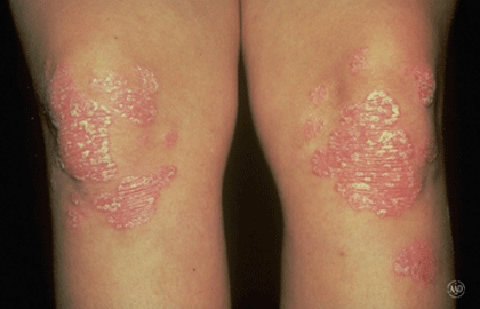
Plaque psoriasis on knees
Plaque psoriasis
About 80% to 90% of people who have psoriasis develop this type. When plaque psoriasis appears, you may see:

  • Patches of thick, raised skin called plaques

  • Scale (a dry, thin, and silvery-white coating) covers some plaques

  • Plaques of different sizes

  • Smaller plaques joining together to form larger plaques

Plaques usually form on the scalp, elbows, knees, or lower back, but they can develop anywhere on the skin. It’s common for plaques to itch, but try not to scratch. Scratching can cause the patches to thicken. To stop the itch, dermatologists recommend treating the psoriasis.

Guttate (gut-tate) psoriasis

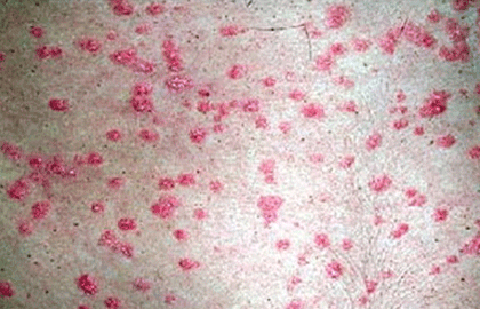
Guttate psoriasis
Guttate psoriasis

When someone gets this type of psoriasis, you often see tiny bumps appear on the skin quite suddenly. The bumps tend to cover much of the torso, legs, and arms. Sometimes, the bumps also develop on the face, scalp, and ears. No matter where they appear, the bumps tend to be:

  • Small and scaly

  • Salmon-coloured to pink

  • Temporary, clearing in a few weeks or months without treatment

When guttate psoriasis clears, it may never return. Why this happens is still a bit of a mystery. Guttate psoriasis tends to develop in children and young adults who’ve had an infection, such as strep throat. It’s possible that when the infection clears so does guttate psoriasis.

It’s also possible to have: 

  • Guttate psoriasis for life

  • See the guttate psoriasis clear and plaque psoriasis develop later in life

  • Plaque psoriasis when you develop guttate psoriasis

There’s no way to predict what will happen after the first flare-up of guttate psoriasis clears.

Inverse psoriasis

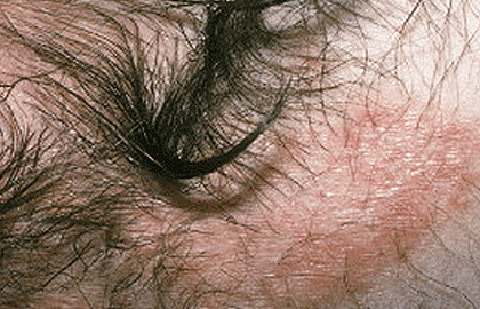
Inverse psoriasis of scalp
Inverse psoriasis

This type of psoriasis develops in areas where skin touches skin, such as the armpits, genitals, and crease of the buttocks. Where the inverse psoriasis appears, you’re likely to notice:

  • Smooth, red patches of skin that look raw

  • Little, if any, silvery-white coating

  • Sore or painful skin

Other names for this type of psoriasis are intertriginous psoriasis or flexural psoriasis.

Pustular psoriasis

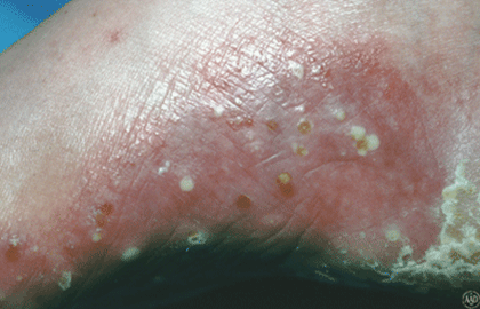
Pustular psoriasis
Pustular psoriasis

This type of psoriasis causes pus-filled bumps that usually appear only on the feet and hands. While the pus-filled bumps may look like an infection, the skin is not infected. The bumps don’t contain bacteria or anything else that could cause an infection. Where pustular psoriasis appears, you tend to notice:

  • Red, swollen skin that is dotted with pus-filled bumps

  • Extremely sore or painful skin

  • Brown dots (and sometimes scale) appear as the pus-filled bumps dry

Pustular psoriasis can make just about any activity that requires your hands or feet, such as typing or walking, unbearably painful. 

Pustular psoriasis (generalized)

Generalized pustular psoriasis
Pustular psoriasis (generalized)

Serious and life-threatening, this rare type of psoriasis causes pus-filled bumps to develop on much of the skin. Also called von Zumbusch psoriasis, a flare-up causes this sequence of events:

  1. Skin on most of the body suddenly turns dry, red, and tender.

  2. Within hours, pus-filled bumps cover most of the skin.

  3. Often within a day, the pus-filled bumps break open and pools of pus leak onto the skin.

  4. As the pus dries (usually within 24 to 48 hours), the skin dries out and peels (as shown in this picture).

  5. When the dried skin peels off, you see a smooth, glazed surface.

  6. In a few days or weeks, you may see a new crop of pus-filled bumps covering most of the skin, as the cycle repeats itself.

Anyone with pustular psoriasis also feels very sick, and may develop a fever, headache, muscle weakness, and other symptoms. Medical care is often necessary to save the person’s life.

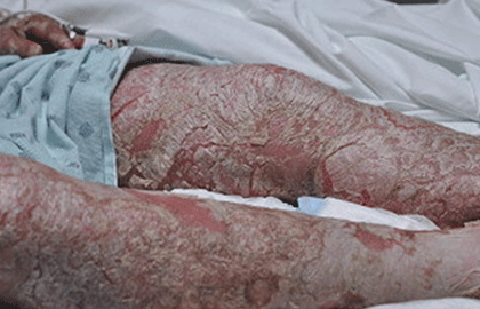
Erythrodermic psoriasis

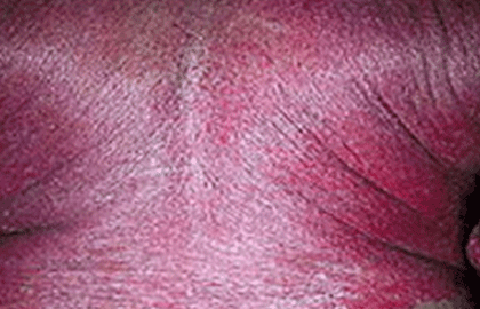
Erythrodermic psoriasis

Serious and life-threatening, this type of psoriasis requires immediate medical care. When someone develops erythrodermic psoriasis, you may notice:

  • Skin on most of the body looks burnt

  • Chills, fever, and the person looks extremely ill

  • Muscle weakness, a rapid pulse, and severe itch

Most people who develop erythrodermic psoriasis already have another type of psoriasis. Before developing erythrodermic psoriasis, they often notice that their psoriasis is worsening or not improving with treatment. If you notice either of these happening, see a board-certified dermatologist. People who develop erythrodermic psoriasis should seek immediate medical attention. Among other dangers, the person may be unable to keep warm, so hypothermia can set in quickly.

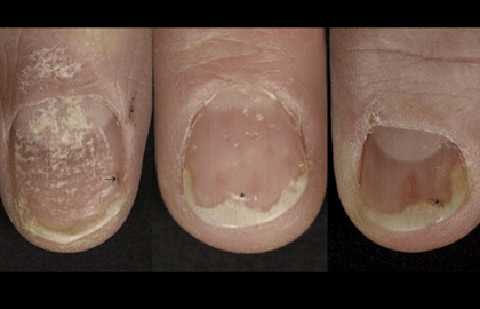
Nail psoriasis

Nail psoriasis
Nail psoriasis

While many people think of psoriasis as a skin disease, you can see signs of it elsewhere on the body. Many people who have psoriasis see signs of the disease on their nails. With any type of psoriasis, you may see changes to your fingernails or toenails. About half of the people who have plaque psoriasis see signs of psoriasis on their fingernails at some point.

When psoriasis affects the nails, you may notice: 

  • Tiny dents in your nails (called “nail pits”)

  • White, yellow, or brown discoloration under one or more nails

  • Crumbling, rough nails

  • A nail lifting up so that it’s no longer attached

  • Build-up of skin cells beneath one or more nails, which lifts up the nail

Treatment and proper nail care can help you control nail psoriasis.

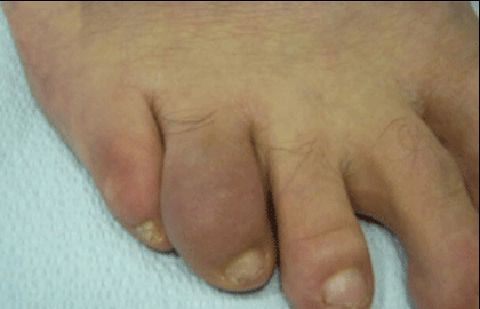
Psoriatic arthritis

Joint psoriasis
Psoriatic arthritis

When psoriasis affects the joints, it causes a disease known as psoriatic arthritis. If you have psoriasis, it’s important to pay attention to your joints. Some people who have psoriasis develop a type of arthritis called psoriatic arthritis. This is more likely to occur if you have severe psoriasis. Most people notice psoriasis on their skin years before they develop psoriatic arthritis. It’s also possible to get psoriatic arthritis before psoriasis, but this is less common.

When psoriatic arthritis develops, the signs can be subtle. At first, you may notice: 

  • A swollen and tender joint, especially in a finger or toe

  • Heel pain

  • Swelling on the back of your leg, just above your heel

  • Stiffness in the morning that fades during the day

Like psoriasis, psoriatic arthritis cannot be cured. Treatment can prevent psoriatic arthritis from worsening, which is important. Allowed to progress, psoriatic arthritis can become disabling. 

https://www.aad.org/public/diseases/psoriasis/what/symptoms